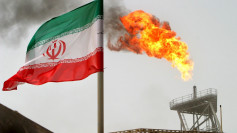
Oil prices resumed their climb early Tuesday and U.S. stock futures turned lower after Iran rejected the premise of imminent negotiations with Washington, undercutting a brief market rally that had followed President Donald Trump's claim of "very good and productive" discussions to end the war and reopen the Strait of Hormuz.
The market reversal underscored how tightly global assets are now bound to every headline from Washington and Tehran. Trump had said he would delay strikes on Iranian energy infrastructure for five days, a message that initially lifted equities on Monday and briefly eased fears of a deeper shock to oil flows. By Tuesday, that optimism was fading as Iranian officials signaled the confrontation remained unresolved and that no near-term diplomatic breakthrough was at hand.
Iranian state media rejected the suggestion that direct negotiations were underway with the U.S. Iranian Deputy Speaker of Parliament Ali Nikzad reportedly said the Strait of Hormuz would not be restored to its previous operating condition and that there would be no negotiations with Washington. That response helped push crude back upward after Monday's drop, while stock futures weakened as investors reassessed whether the previous session's rebound had run ahead of the facts.
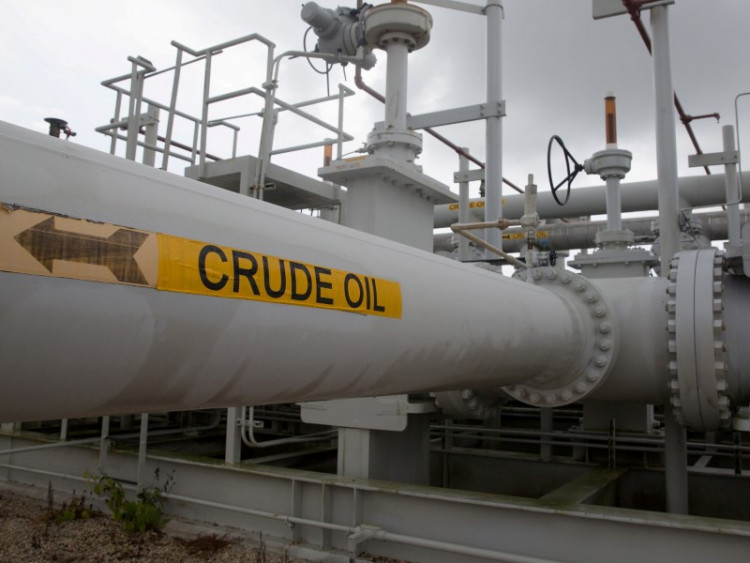
Brent crude has now surged 40% in March, according to the material provided, as traders price in the risk that conflict in the Middle East could further disrupt shipments through Hormuz. Trump has also floated the idea that the U.S. and Iran could jointly control the strait, a waterway that handled 20 million barrels of oil a day in 2025. The scale of that traffic helps explain why even minor changes in language from either side are echoing across equity, energy and currency markets.
RBC Capital Markets analysts cautioned against reading too much into political messaging alone. "It is unclear how far back-channel talks have progressed or if the IRGC is in any mood to settle at this stage when they remain in firm control of the Strait of Hormuz," they said. "Ships, not sound bites, will likely be what ultimately matters for physical markets."
That skepticism is increasingly shared across the market. The pattern over the past 24 hours has been one of rapid repricing rather than conviction: stocks rising on hopes of de-escalation, then losing momentum as Iran hardened its stance and as Israel continued attacks, reviving concern that the conflict could broaden and choke off more energy exports.
Will Todman, senior fellow in the Middle East Programme at the Centre for Strategic and International Studies, said diplomacy may still represent the least damaging option available to the White House, though Tehran has reasons to doubt Washington's intent. "A negotiated outcome may be the best of a series of bad options that President Trump has," he said. But Iran, he added, will "go into these talks with great scepticism, fearing that President Trump is simply running down the clock until more military assets arrive."
The consequences are no longer confined to trading desks in New York and London. Governments and companies are already moving to prepare for a prolonged price shock:
- Chile is preparing fuel-price increases of as much as 50%.
- Japan has commissioned an assessment of its oil-product supply chain.
- Thailand has raised diesel prices.
- China's largest oil refiner said it would prioritize domestic supply.
- The Philippines warned that a jet-fuel shortage was a "distinct possibility" and said planes could be grounded.
Goldman Sachs' Daan Struyven warned that a sustained disruption would spread beyond the Middle East and Asia unless demand fell enough to rebalance the market. "If this shock lasts longer, this extreme tightness that's now concentrated in the Middle East and Asia would spread," he said.
The regional military picture is adding to that pressure. Saudi Arabia and the United Arab Emirates have taken a harder line against Tehran after Iranian bombardment of their territories, and Saudi Arabia reportedly told the U.S. it was prepared to strike Iran if its own power and water plants were hit. Linh Tran, a market analyst at XS.com, said any direct entry by Gulf states would materially worsen the outlook. "If Gulf states were to join the conflict, it would represent a significant escalation," she said. "The market remains highly sensitive to incoming headlines."