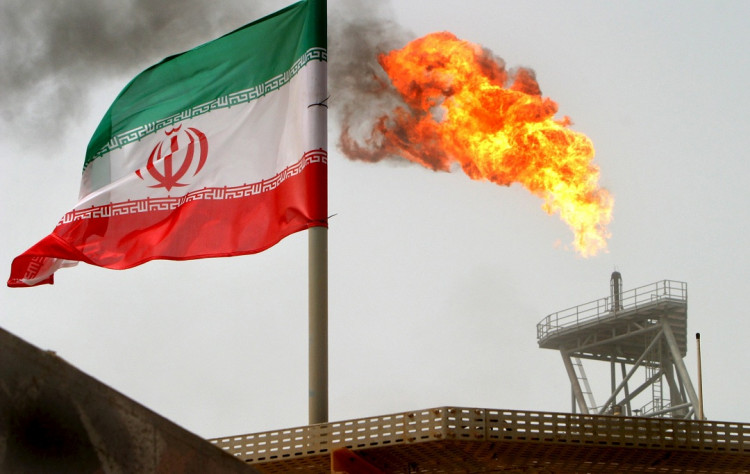
Oil prices tumbled sharply Friday after Seyed Abbas Araghchi declared the Strait of Hormuz "completely open" to commercial traffic, triggering a broad rally in global equities and easing fears of prolonged supply disruptions tied to the U.S.-Iran conflict.
U.S. crude futures for May delivery fell as much as 11.1% to $84.26 per barrel, while Brent crude dropped 10.5% to $88.95. In early trading, some contracts slid even further, with U.S. crude nearing $83 and refined fuel benchmarks posting double-digit declines.
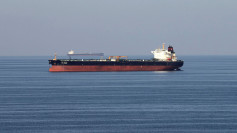
The announcement followed weeks of heightened tensions in the Persian Gulf, where disruptions had choked off a significant share of global oil flows. Araghchi wrote that "the passage for all commercial vessels through Strait of Hormuz is declared completely open for the remaining period of ceasefire," though he added that ships must follow a "coordinated route" set by Iranian authorities.
Donald Trump responded quickly on Truth Social, writing: "IRAN HAS JUST ANNOUNCED THAT THE STRAIT OF IRAN IS FULLY OPEN AND READY FOR FULL PASSAGE. THANK YOU!" In a separate post, however, he emphasized that "the Naval blockade will remain in full force and effect as it pertains to Iran, only, until such time as our transaction with Iran is 100% complete."
The reopening coincides with a fragile 10-day ceasefire between Israel and Lebanon, which began Thursday evening amid efforts to de-escalate a broader regional conflict involving Iran-backed groups. The U.S. State Department said both sides were working toward "lasting peace," including border security improvements and reaffirmation of sovereignty.
Markets reacted swiftly to the perceived easing of supply risk:
- U.S. crude: down ~11-12% to ~$83-$84 per barrel
- Brent crude: down ~10-11% to ~$88
- Heating oil futures: down 13%
- RBOB gasoline futures: down 7%
Equity markets surged in tandem. The S&P 500 rose 1% and the Nasdaq Composite gained 1.3%, both hitting record highs. The Dow Jones Industrial Average jumped more than 800 points, while the Russell 2000 climbed 1.7%. European stocks followed, with the Stoxx 600 up 1.2% and major indexes in France and Germany rising more than 2%.
Energy analysts caution that the market reaction reflects sentiment as much as physical reality. ING analysts noted that despite the announcement, "the physical market is becoming tighter every day that passes without a restart of oil flows through the Strait of Hormuz," estimating that roughly 13 million barrels per day of supply have been disrupted.
They added, "The key upside risk for the market is that peace talks between the US and Iran break down. This isn't an unrealistic scenario, given that US and Iranian demands remain fairly wide apart."
Uncertainty also lingers over the practical implementation of Iran's "coordinated route" requirement. It remains unclear whether vessels will face restrictions, fees, or security concerns, particularly given recent attacks on shipping in the region.
European leaders responded cautiously. Kaja Kallas said, "Under international law, transit through waterways like the Strait of Hormuz must remain open and free of charge," warning that "any pay-for-passage scheme will set a dangerous precedent for global maritime routes."
Emmanuel Macron and Keir Starmer also welcomed the reopening but stressed the need for neutral oversight. Starmer said, "The Strait should be reopened immediately with no tolls and no restrictions."
For consumers, the drop in crude prices may soon translate into relief at the pump. GasBuddy analyst Patrick De Haan wrote, "This could accelerate sending fuel prices lower starting this weekend with the national average likely falling below $4/gal to perhaps $3.65-$3.85."