Global oil markets swung sharply Wednesday after Donald Trump said U.S. forces could withdraw from Iran within "two or three weeks," even as disruptions in the Strait of Hormuz continue to constrain roughly one-fifth of global crude flows.
The remarks triggered an immediate selloff in both U.S. and international benchmarks. West Texas Intermediate crude for May delivery fell to about $100.21 per barrel early Wednesday, down 1.15%, while Brent crude hovered near $104 after recovering from steeper intraday losses.
The volatility marks a sharp reversal from recent gains. Oil prices had surged more than 60% over the past month, with WTI settling at $118.35 on Tuesday-its strongest rally on record since 1988-before Trump's comments altered market expectations.
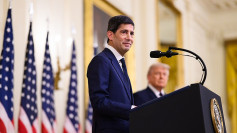
"We leave because there's no reason for us to do this. We'll be leaving very soon," Trump told reporters at the White House, adding that U.S. troops could exit Iran within "two or three weeks." The statement suggested a potential de-escalation, prompting traders to reassess the likelihood of prolonged supply disruptions.
Trump also signaled a reduced emphasis on diplomacy, stating Iran "doesn't have to make a deal" and describing the country as "a new regime" that he characterized as "much more accessible." He further claimed to have prevented Tehran from acquiring a nuclear weapon, though no independent verification was provided in the source material.
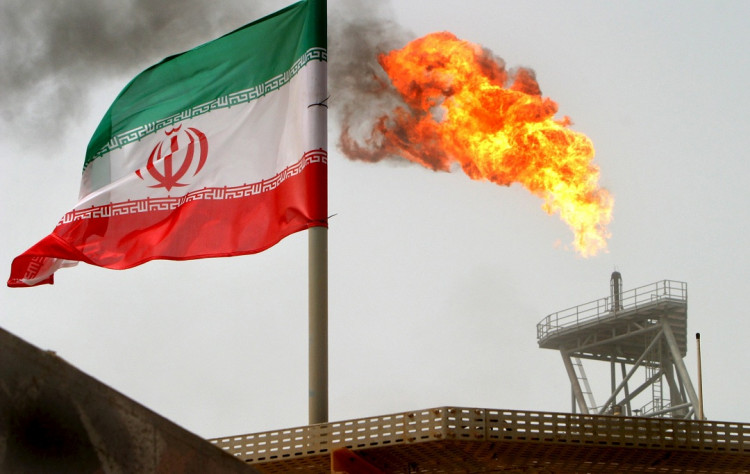
Despite the market reaction, conditions on the ground remain unstable. Since late February, oil shipments through the Strait of Hormuz have been severely curtailed, following U.S. and Israeli strikes on Iranian targets and Tehran's retaliatory actions.
Key market pressures include:
- Approximately 20% of global oil supply historically transiting Hormuz
- Limited alternative shipping routes, raising transport costs
- Heightened geopolitical risk premiums embedded in crude pricing
Iran's military posture has also expanded beyond maritime disruption. The Islamic Revolutionary Guard Corps announced plans to target U.S. companies operating in the region, naming firms including Apple, Microsoft, Tesla and Boeing. The move broadened the conflict's scope into economic and corporate domains.
Separately, Iranian drone strikes reportedly hit fuel storage facilities at Kuwait International Airport, causing what local media described as a "massive fire." The incident underscores the regional spillover risk, with energy infrastructure increasingly exposed.
Analysts remain divided on whether Trump's proposed withdrawal timeline is feasible. Michael Feller, co-founder of Geopolitical Strategy, said, "Trump remains stuck. Leaving now would admit defeat," adding that escalation threats against Iranian infrastructure would "make no difference other than to further drive up oil prices."
Diplomatic signals remain mixed. Abbas Araghchi told Al Jazeera that while communications with the U.S. continue, they do not constitute negotiations. "I receive messages from [US special envoy] Witkoff directly, as before, and this does not mean that we are in negotiations," he said. He added that "there is no truth to the claim of negotiations with any party in Iran."