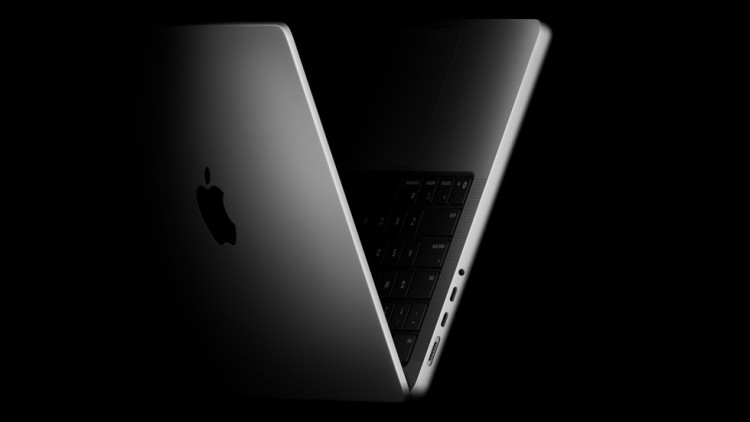
Apple is reportedly preparing a new ultra-premium laptop that could sit above the MacBook Pro in its lineup, potentially introducing a touchscreen OLED display and next-generation M-series processors as the company reshapes its strategy for high-end portable computing.
According to reporting from Bloomberg, the device-informally referred to as a "MacBook Ultra"-could arrive as soon as late 2026, marking the first time Apple has introduced both touchscreen capability and OLED display technology to its Mac laptop range.
If released, the machine would represent a significant shift in Apple's product strategy and design philosophy. For more than a decade, the company has resisted adding touchscreens to Mac computers, instead steering customers toward the iPad for touch-based interaction.
The rumored device would create a new three-tier structure across Apple's laptop portfolio, expanding the company's approach to both entry-level and ultra-premium segments.
Industry observers describe the potential lineup structure as:
- MacBook Neo - lower-cost model aimed at students and everyday users
- MacBook Pro - performance-focused system for professionals
- MacBook Ultra - flagship model designed for maximum power and advanced features
The naming strategy would mirror Apple's use of the "Ultra" branding elsewhere in its ecosystem, including the M-series Ultra chips used in high-performance desktop Macs.
Current MacBook Pro models powered by M5 Pro and M5 Max chips already deliver major improvements in CPU, GPU and AI processing. The rumored MacBook Ultra is expected to coincide with the launch of M6 Pro and M6 Max processors, potentially pushing performance further for professional workloads such as video production, software development and machine-learning tasks.
Beyond computing power, display technology may represent the most dramatic change. Reports suggest the device could feature an OLED panel, which typically delivers deeper blacks, higher contrast ratios and improved energy efficiency compared with traditional LCD displays.
Apple already deploys OLED technology in products such as the iPhone and iPad Pro, but the company has not yet brought the display type to Mac laptops.
Another reported change would be the introduction of touch interaction within macOS, a feature Apple executives historically resisted.
Touchscreen laptops have long been common across the Windows PC ecosystem, particularly in hybrid devices that function as both laptops and tablets. Apple instead maintained a strict separation between the Mac and the iPad.
If implemented, a touchscreen MacBook would blur that distinction and potentially open new ways to interact with macOS.
Reports also suggest the laptop could include additional premium features typically found in Apple's mobile devices, including a thinner design and potentially Face ID authentication, which currently appears only on the company's iPhone and iPad lines.