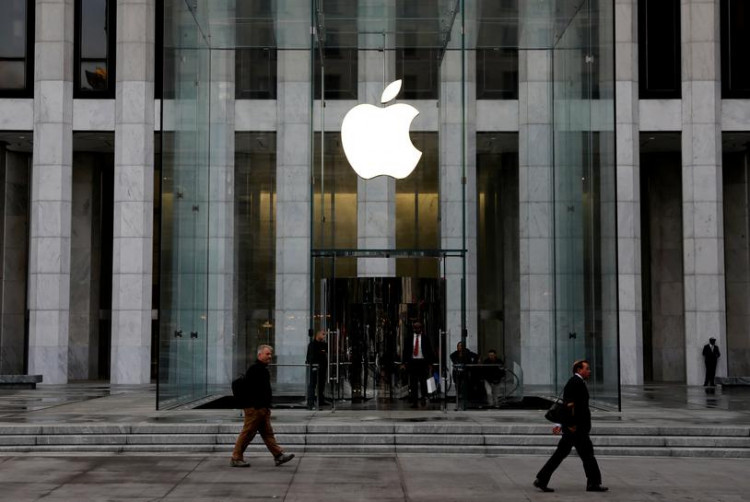
Apple Inc.'s push into artificial intelligence in China hit an unexpected snag this week after its "Apple Intelligence" feature briefly appeared on iPhones in mainland China without regulatory approval, only to be removed within hours. The incident, reported by Bloomberg's Mark Gurman, underscores the complex compliance hurdles facing foreign tech firms in the world's largest smartphone market.
The feature surfaced on March 30 in the Settings menus of some Chinese iPhones under the label "Apple Intelligence & Siri," prompting speculation that Apple had quietly launched its long-awaited AI suite in the country. Instead, the rollout was quickly reversed, with Gurman indicating the appearance was unintended and not an official release.
Apple has not issued a detailed public explanation. However, customer service representatives cited by local media described the incident as a "normal technical situation," suggesting the feature's appearance followed a software update rather than a coordinated launch.
The brief activation triggered confusion among users who have been waiting for Apple's AI capabilities-already available in multiple global markets-to reach China. The sudden removal reinforced that the company remains constrained by regulatory requirements that differ sharply from those in the U.S. and Europe.
At the center of the delay is China's approval regime for artificial intelligence. Before deployment, AI systems must be reviewed by the Cyberspace Administration of China, with strict requirements governing data handling, content moderation and model behavior. Foreign firms are also typically required to partner with domestic companies.
Apple has been working with Chinese partners, including Alibaba Group, to localize its AI infrastructure. The arrangement is intended to replace restricted or unavailable services-particularly those linked to Google-with domestically compliant alternatives.
Several features embedded in Apple Intelligence rely on services not accessible within China, such as reverse image search tied to Google's ecosystem. That dependency highlights a broader technical and regulatory gap Apple must bridge before any official rollout can proceed.
Industry analysts note that China's domestic AI ecosystem is already highly competitive, with firms such as Baidu, Tencent and Alibaba offering integrated AI services across mobile platforms. Apple's entry, while anticipated, will require significant adaptation to local standards.