A magnitude-7.5 earthquake off Japan's northeastern coast triggered tsunami warnings and disrupted transportation late on Dec. 8, but the limited physical impact was quickly overshadowed online by a resurfacing claim that a decades-old manga predicted a catastrophic 2025 mega-tsunami. The viral posts, many of which circulated on X and Reddit, revived fears detached from the actual seismic event, prompting seismologists to urge the public to depend on official data rather than digitally altered images.
Japan's Meteorological Agency said the quake struck roughly 80 kilometers off Aomori Prefecture, registering an "upper 6" on Japan's intensity scale-strong enough to knock over furniture and severely shake buildings. Initial forecasts warned of tsunami waves up to three meters, and authorities issued advisories for Aomori, Iwate and Hokkaido. Real-time readings ultimately showed waves between 20 and 70 centimeters at several ports before the advisory was lifted early Dec. 9.
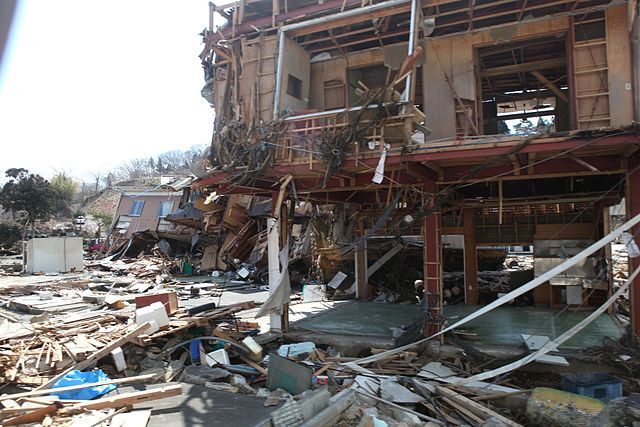
Rail operations were temporarily halted for inspections, and Reuters reported that about 800 homes experienced short-term power outages. Officials warned of aftershocks in coastal areas, urging residents to remain alert despite the absence of major structural damage or casualties. For communities still marked by the trauma of the 2011 disaster, even moderate tremors often revive questions of preparedness and vulnerability.
As authorities focused on monitoring aftershocks, attention online veered sharply in another direction. Social media users began recirculating images attributed to an artist known as Ryo Tatsuki, claiming her manga depicted a massive tsunami hitting Japan in 2025. Posts under hashtags such as #2025Tsunami and #JapaneseBabaVanga spread rapidly, with some users sharing improvised "survival guides" and urging people to evacuate inland. Analysts monitoring the online traffic noted that many of the images appeared to be composites stitched together from unrelated panels.
Researchers familiar with Tatsuki's work say no verified publication supports the scenario shown in the viral posts. There is no official archive listing a title matching the alleged plot line, nor evidence that the artist ever referenced a tsunami striking Japan in 2025. Disaster-response experts said the resurfaced prophecy follows a familiar pattern in which dramatic fiction is reframed as prediction during periods of public anxiety.
Officials and scientists responded quickly to counter the misinformation. The Japan Meteorological Agency reiterated that "no credible forecast predicts a major tsunami in 2025," emphasizing that earthquake and tsunami assessments must rely on measurable seismic activity, not speculation amplified online. Seismologists stressed that 3D reconstructions and fan edits circulating on social media do not constitute data and warned that they complicate emergency-response communication by fostering confusion.