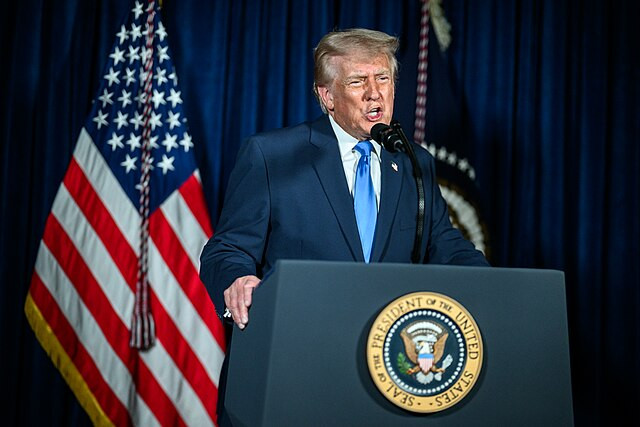
President Donald Trump ignited a new political backlash after publishing a lengthy post on Truth Social accusing news organizations of committing acts "seditious, perhaps even treasonous" by reporting on concerns about his health and stamina. The outburst drew swift condemnation from lawmakers, former officials, legal analysts, and thousands of social-media users, many of whom argued the episode highlighted behavior they described as "unsuitable" for a president seeking to wield executive authority.
The message, several hundred words in length, targeted The New York Times and other outlets for discussing signs of fatigue or cognitive lapses. Trump again claimed he had "aced" cognitive testing, while simultaneously denouncing those who question his fitness. His decision to use terms such as "sedition" and "treason" to characterize media scrutiny drew instant attention because of their legal severity and historical weight in U.S. political rhetoric.
The president's tone-combative, accusatory, and laced with threats-became a focal point for critics who argue that temperament, not just policy, is now central to assessing his fitness for office. Commentators across X and broadcast networks said the post underscored concerns about judgment and restraint, two qualities they contend are essential for the presidency.
The political response was unusually broad in scope. Senate Democratic Leader Chuck Schumer previously warned from the Senate floor that Trump's rhetoric risked inciting violence and called for his statements to be repudiated. Congressional Democrats singled out by Trump in earlier posts requested additional security, citing heightened threats following his online attacks.
Veteran Democrats who appeared in a recent video urging service members to refuse unlawful orders said they experienced a surge in intimidation after being named in the president's message. Senator Mark Kelly and Senator Elissa Slotkin, both featured in that video, argued the denunciations were an attempt to silence critics. They defended their warning to servicemembers, saying it was grounded in the "legal and moral basis" for rejecting illegal directives.
Security analysts warned that repeated escalations in presidential rhetoric can increase the likelihood that hostile language spills into real-world violence. Former national-security officials said the president's framing-suggesting reporting on his health could constitute treason-risks normalizing extreme punitive language aimed at political dissent.
Public polling referenced by commentators in the growing online debate suggests that a widening share of voters view Trump's late-night posts and verbal outbursts as inappropriate or alarming. Former aides and academics studying political discourse noted that critics now argue "unsuitable" is not a reference to a specific policy dispute but to behavior they view as eroding democratic norms.
The administration dismissed concerns and said the president's comments were rhetorical in nature.