A political clash erupted in Washington after President Donald Trump declared that public discussion of his health was "seditious, perhaps even treasonous," prompting California Governor Gavin Newsom to publicly challenge the claim within minutes. The dispute unfolded after Trump posted an extended message on Truth Social late Monday night defending his physical and mental fitness and accusing the media of undermining the presidency through coverage of his visible fatigue and medical concerns.
Trump argued that after undergoing "Medical Exams, Cognitive Exams, and everything else," he believed scrutiny from outlets such as The New York Times constituted deliberate efforts "to libel and demean 'THE PRESIDENT OF THE UNITED STATES.'" The president's post, nearly 500 words long, asserted that he was at "the top of his game," claimed he was working the "longest" hours, and said he had created an "aura" that had "earned worldwide respect."
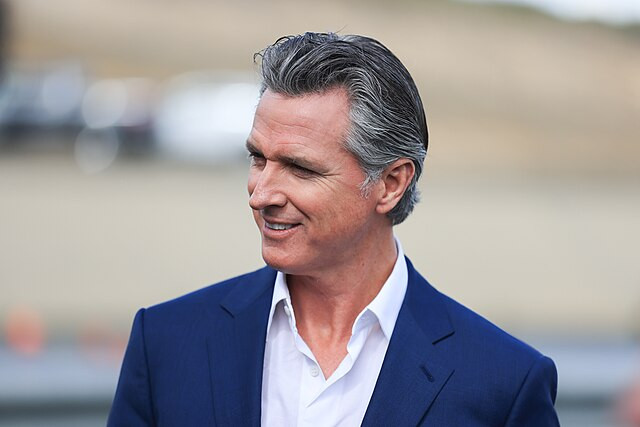
The breadth of the rhetoric, combined with the invocation of criminal concepts such as treason, fueled immediate backlash from critics who have openly questioned the president's stamina and mental sharpness. Newsom responded on X by declaring the president "in poor physical health," deliberately echoing the language Trump sought to prohibit and ensuring the issue remained in public view.
The catalyst for Trump's post was a Monday op-ed in The New York Times, where columnist Frank Bruni wrote that Trump's "vigour" appeared to have declined alongside his approval ratings. The criticism touched a nerve as the White House has fielded repeated questions about the president's health for months.
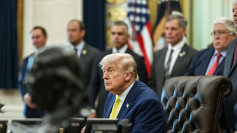
Trump's physical condition has become more visible in recent weeks. Persistent swelling in his legs-attributed by aides to a chronic venous condition-regularly draws attention. The president has also been photographed with unexplained bruising on his right hand and has appeared to fall asleep during official meetings. His bandaged hand has become a recurring feature during rallies and public appearances, further heightening speculation.
The erosion of public confidence is reflected in polling. A late November Gallup survey recorded the president's approval at 36 percent, the lowest of his second term and only slightly above his historic low of 34 percent following the Jan. 6, 2021 riot. Advisors privately concede that health concerns have begun to overshadow key policy messaging.
Mental health experts have also intensified warnings. Dr. John Gartner, a former Johns Hopkins psychology professor, said Trump's recent lapses "appear to represent clinical signs of dementia." Gartner argued that cognitive decline exacerbates the president's underlying "malignant" personality disorder, saying that as dementia progresses, individuals "become even more crude, disorganized, aggressive, confused versions of that personality disorder."
These assessments align with several recent episodes that drew widespread criticism, including Trump reportedly telling a female journalist to be "quiet, piggy" and calling for Democratic lawmakers to be executed. The president's claim that coverage by "horrible, biased, and untruthful" outlets might not be protected by the First Amendment marked an escalation in the administration's posture toward the press.
Confusion over Trump's medical evaluations has added to the uncertainty. In October, he visited Walter Reed for what aides described as a second "annual" physical. The White House later confirmed the visit involved an MRI to assess "cardiovascular and abdominal health," yet the president told reporters he had "no idea" what the scan was for.