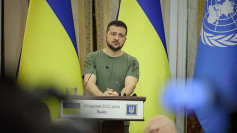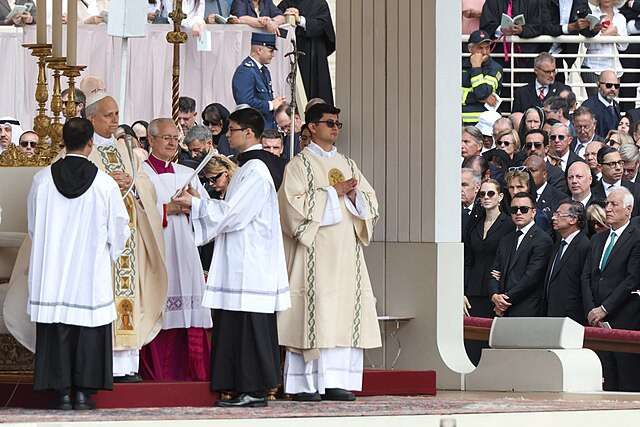
Pope Leo XIV issued one of the strongest rebukes yet to U.S.-led Ukraine peace efforts, warning that President Donald Trump's push for a settlement that excludes European governments is "unrealistic." The statement followed his meeting with Ukrainian President Volodymyr Zelenskyy at Castel Gandolfo, and immediately raised questions across European capitals about the viability of any deal negotiated without the continent most directly affected by the conflict.
The Pope stressed that Europe's participation is essential for both legitimacy and long-term security. "Seeking a peace agreement without including Europe in the talks is unrealistic, given the war is in Europe," he said. His comments directly challenged Washington's emerging national security posture, which he argued seeks to "break apart" existing transatlantic structures. He further said the US-European alliance would "make a huge change" under the newly announced U.S. national security plan, which he warned risks undermining decades of cooperation.
Diplomatic observers noted the unusually sharp tone of the remarks, describing them as a rare papal intervention in a geopolitical strategy led primarily by the White House. The critique reverberated across European institutions, where policymakers have insisted that proximity, refugee burdens, and security interests make Europe indispensable in any negotiated outcome.
Pope Leo's message extended beyond criticism, outlining a broader vision of shared diplomacy. He emphasized that European nations, especially Italy, could play an important mediating role between Ukraine, Russia, and the United States. The Vatican, he said, is prepared to support humanitarian engagement and assist in establishing contact, including efforts focused on the return of Ukrainian children kidnapped by Russian authorities. His stance suggested a path forward rooted in multilateralism rather than unilateral dealmaking.
European governments reacted quickly, signaling support for a more cooperative framework. Officials in several capitals indicated that any renewed talks must include security guarantees, protection of territorial integrity, and provisions for displaced civilians-priorities they fear a U.S.-only proposal may not fully address. The Vatican's involvement, they noted, adds theological credibility and diplomatic weight difficult for Washington to ignore.
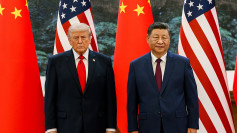
The public criticism poses a significant challenge to Trump's attempts to present himself as a decisive peacemaker. Analysts say the Pope's remarks expose a core weakness in the administration's narrative: the perception that a quick peace deal negotiated without regional allies could destabilize Europe and further strain transatlantic relations. The comments underscore what experts describe as the "geopolitical and moral dangers" of sidelining long-standing partners.
The controversy has elevated the Vatican's diplomatic profile in the conflict, marking a shift toward a broader international approach to the war. European leaders are said to be preparing a "refined" peace proposal that includes stronger security guarantees and a humanitarian mandate emphasizing displaced Ukrainians. The Vatican has reportedly volunteered to host or assist parts of the negotiation process, leveraging its moral authority to broaden the diplomatic coalition.
The central question now is whether the United States will adjust its strategy to accommodate a wider alliance or continue to press for a rapid deal centered on Washington's terms. In the Pope's words, peace may come quickly without Europe, "but it won't last."