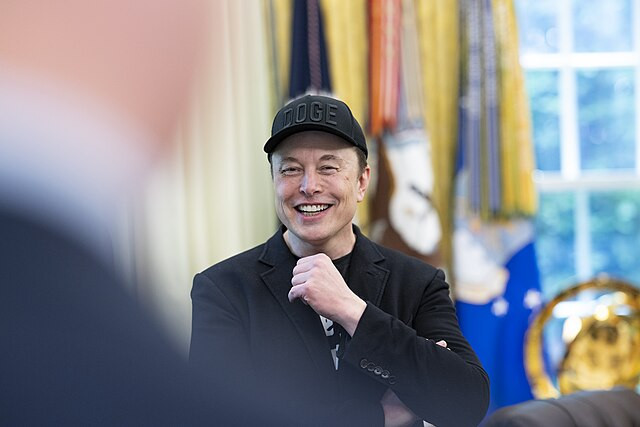
Elon Musk offered his clearest acknowledgment yet that his brief tenure in the Trump administration came at a steep personal and financial cost, telling a sympathetic podcast audience that he now regrets accepting the role of leading the Department of Government Efficiency, or DOGE.
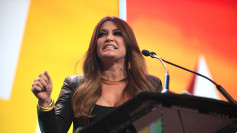
In an interview on The Katie Miller Podcast, Musk said the five months he spent in Washington during President Donald Trump's first year back in office diverted his attention from his companies and exposed him to political forces he described as corrosive. "I mean, no, I don't think so. Would I do it? I think probably...I don't know," he said when asked whether he would accept the position again.
The remarks signal a significant shift for Musk, who had been one of Trump's most influential outside advisers during the 2024 campaign and an early architect of the administration's streamlined-government agenda. Yet Musk suggested that the cost to his business empire-especially Tesla-was greater than he anticipated. "I mean, the thing is, I think instead of doing DOGE, I would have basically built, you know, worked on my companies essentially," he said, adding pointedly, "So, and not and the cars they wouldn't have been burning the cars."
That reference alluded to a tumultuous stretch earlier this year when Tesla vehicles became a target of protests and vandalism as Musk waded deeper into federal restructuring efforts. Tesla's share price swung sharply during that period, unnerving investors who worried that Musk was becoming overextended both politically and operationally.
Despite describing DOGE as "somewhat successful," Musk made clear that his mandate to cut government spending triggered fierce resistance. Miller noted that he had "gave up a lot to do DOGE," prompting Musk to frame the backlash as the work of entrenched interests. "If you stop money going to political corruption, they will lash out, big time. They really want the money to keep flowing," he said, suggesting his efforts struck at the heart of Washington's power networks.
His comments also shed new light on the bitter rupture that unfolded between him and Trump over the summer. What began as disputes over spending priorities escalated into a public feud after Musk accused the President of being compromised by the Epstein files-an explosive claim he made on X before their relationship collapsed. The administration criticized Musk for undermining national cohesion, while Musk implied that pressure from political donors and insiders influenced Trump's decisions.
Yet the recent thaw indicates that neither party considers the break permanent. Musk attended a state dinner in late November honoring Saudi Crown Prince Mohammed bin Salman, marking his first major appearance at a White House event since leaving the administration in May. The return underscores the pragmatic ties between Trump and Musk, whose companies remain central to American industrial policy and strategic innovation.