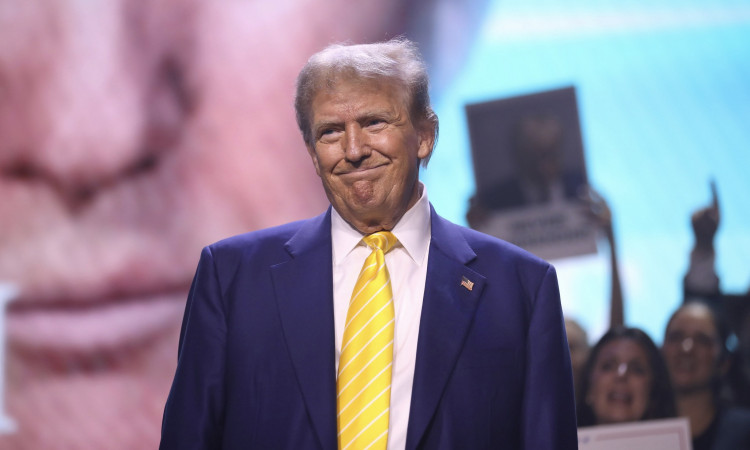
A mass shooting at Brown University left two students dead and nine others injured on Dec. 13, 2025, jolting one of America's most prestigious Ivy League campuses and reigniting a national debate over gun violence and political leadership. The attack, which unfolded during final examinations in Providence, R.I., has drawn renewed scrutiny not only of campus security but also of President Donald Trump's public response, which critics say fell short at a moment of national grief.
The shooting occurred shortly after 4 p.m. Eastern time inside Room 166 of the Barus and Holley engineering building, according to Providence police. Students were attending a review session for a core economics course when a gunman opened fire, prompting a rapid lockdown across campus as emergency alerts instructed students and faculty to shelter in place.
University officials confirmed the fatalities and injuries in a statement posted on Brown University's website, saying the institution's "immediate priority is the safety, care and support of our students, faculty and staff." Counseling services and emergency resources were expanded as law enforcement swept campus buildings late into the evening.
Police initially detained a person of interest but later released that individual, citing insufficient evidence. As of Monday, authorities said the shooter had not been identified and remained at large, with federal and state agencies assisting in the investigation.
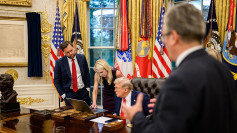
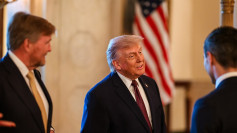
The tragedy quickly became a national political flashpoint after Trump addressed the shooting during a White House Christmas reception. Referring to Brown University, the president said: "Brown University, great school, really one of the greatest schools anywhere in the world. Things can happen." He added: "So to the nine injured, get well fast. And to the families of those two who are no longer with us, I pay my deepest regards and respects from the United States of America."
The phrase "things can happen" drew immediate backlash from gun control advocates and political opponents, who argued that the wording minimized the gravity of repeated mass shootings on U.S. campuses. A gun violence prevention advocate told Inside Higher Ed: "That response absolutely falls short. When America mourns these repeated tragedies, leaders must show more empathy and leadership than suggesting that violence is an inevitable occurrence."
Supporters of Trump defended the remarks as an expression of condolence delivered amid a developing situation, arguing that calls for unity and prayer were appropriate in the immediate aftermath. White House allies noted that the president did not comment on policy specifics during the event.
The Brown shooting has added urgency to an already contentious debate in Washington as a new congressional session approaches. Lawmakers from both parties referenced the attack in public statements, with Democrats renewing calls for tighter firearm regulations and some Republicans urging bipartisan dialogue on campus safety.
Sen. Chris Murphy of Connecticut, a leading advocate for gun control legislation, cited the Brown victims while urging colleagues to confront what he has repeatedly described as the human cost of legislative inaction. Other lawmakers emphasized the need for mental health resources and threat prevention on college campuses.