
Newly released materials from the estate of Jeffrey Epstein have intensified scrutiny of how language and imagery were woven into one of the most extensive sex-trafficking cases in modern U.S. history. The documents, made public by Democrats on the House Oversight Committee in December 2025, include photographs and written materials referencing "Lolita," a term long associated with the sexualization of minors and now explicitly visible within Epstein's private records.
The release involves 68 photographs drawn from what lawmakers say is a far larger cache of tens of thousands of images recovered from Epstein's properties. The files emerge as federal authorities face statutory deadlines under the Epstein Files Transparency Act, renewing debate over what should be disclosed and how the public should interpret raw evidence tied to a convicted sex offender who trafficked underage girls for years.
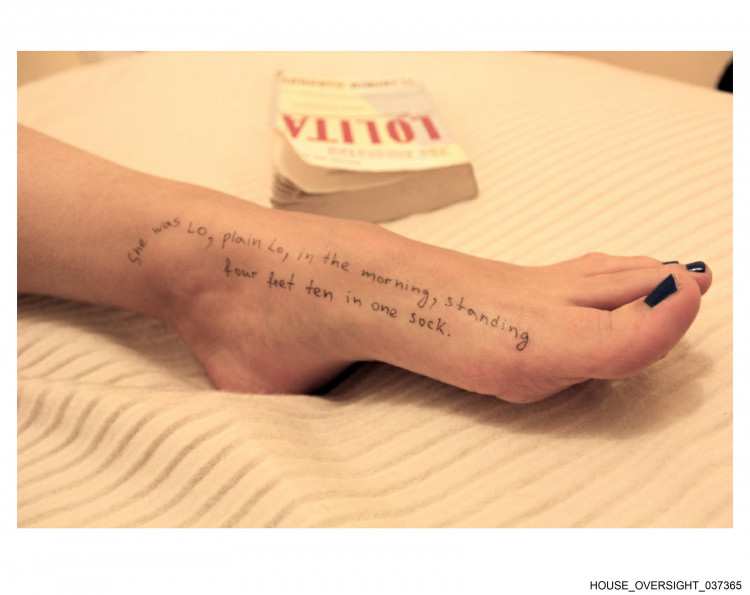
Among the most striking images are photographs bearing handwritten excerpts from Vladimir Nabokov's 1955 novel Lolita. One image includes a line written on a woman's body that reads: "she was Lo, plain Lo, in the morning, standing four feet ten in one sock." The quotation, lifted directly from the novel's opening, underscores the disturbing intersection between literary reference and real-world exploitation.
The appearance of Lolita references extends beyond isolated photographs. The nickname "Lolita Express," widely used to describe Epstein's private Boeing 727, appears throughout flight logs and court records. The name, attributed over time by journalists and residents of the U.S. Virgin Islands, reflected the frequent presence of young women on flights to and from Epstein's properties, including Little Saint James.
Flight logs released in prior civil proceedings document passenger travel but do not, on their own, establish criminal conduct by those listed. Legal experts have repeatedly emphasized that inclusion in records does not equate to participation in abuse, even as the documents provide a map of Epstein's social and logistical network.
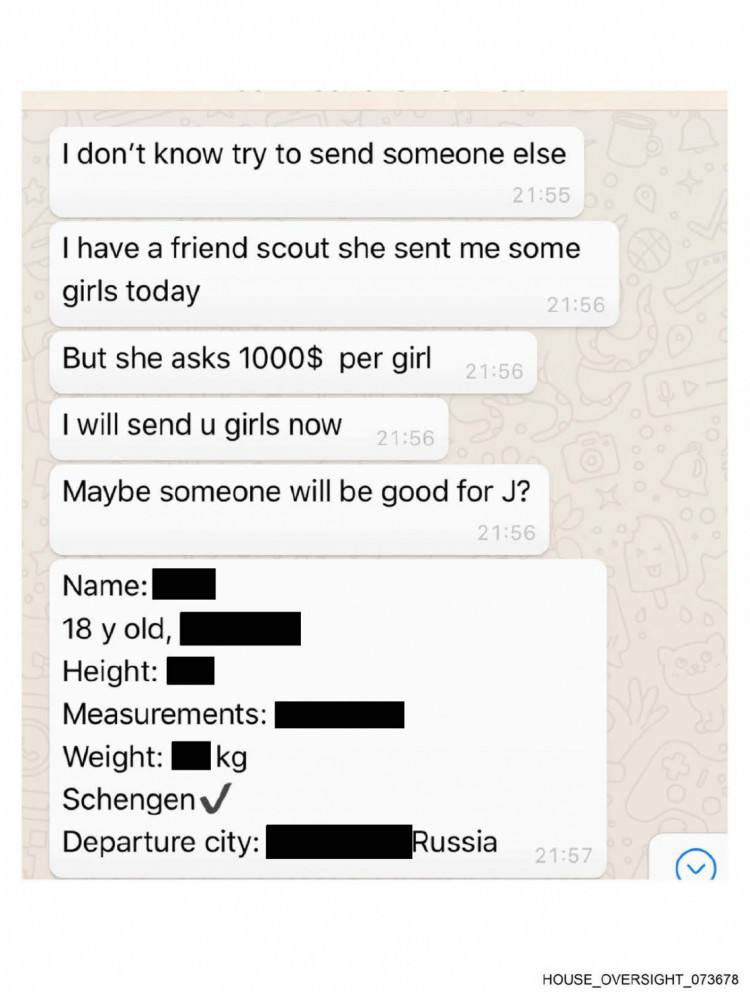
The newly disclosed materials also include other items that have drawn attention from investigators and advocates, including photographs of multiple passports and screenshots of text messages discussing what appear to be efforts to "scout" girls. One message states, "Maybe someone will be good for J." While the context remains unclear, the wording has fueled calls for additional disclosure and explanation from federal authorities.
The symbolic weight of Lolita has long been contested. Nabokov's novel was written as a critique of obsession and abuse, yet the term has entered popular usage as shorthand for a sexualized child, a transformation that scholars and victim advocates say obscures the reality of coercion and harm. Its recurrence in Epstein's materials has sharpened that concern.
Lawmakers backing the releases argue that transparency is essential to understanding the scope of Epstein's crimes and the systems that enabled them. Critics counter that releasing graphic or symbolic material without full context risks retraumatizing survivors and sensationalizing abuse.
The files place renewed focus on how cultural references, elite networks and private records intersected in Epstein's world, as investigators, courts and the public continue to examine evidence tied to one of the most far-reaching sex-trafficking cases in U.S. history.