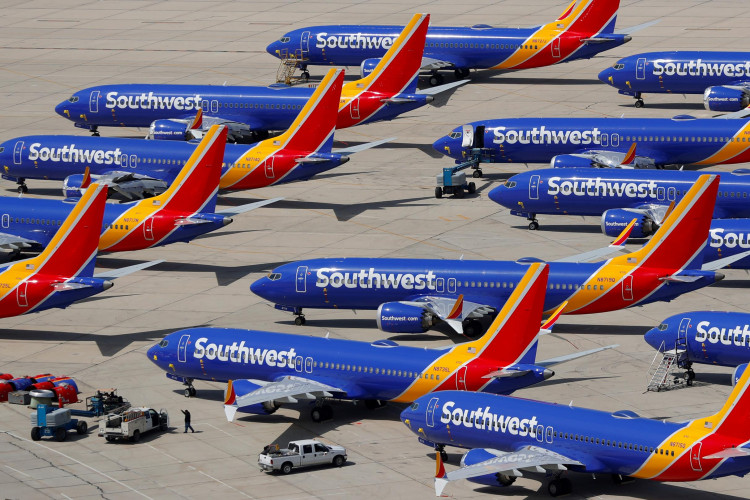
A policy shift at Southwest Airlines is set to reshape how plus-size passengers book flights, ending a long-standing approach that had distinguished the carrier from much of the U.S. airline industry and igniting criticism from advocates who say the change effectively forces some travelers to pay double.
Beginning Jan. 27, 2026, Southwest will require passengers who cannot fit within a single seat's armrests to purchase a second seat at the time of booking. The update replaces the airline's existing "Customer of Size" accommodation framework, which had allowed qualifying passengers to secure additional space with more flexibility and, in many cases, reimbursement after travel.
The new requirement comes as Southwest undertakes a broader overhaul of its operating model, including the elimination of its signature open-seating system. Under the revised approach, passengers will be assigned specific seats before boarding, aligning the carrier more closely with traditional network airlines and reducing discretion at the gate.
Southwest acknowledged the shift in a policy statement tied to its Customer of Size rules, saying: "We've had a long-standing policy designed to meet the seating needs of Customers who require more than one seat." The company added: "Note: Any Customer travelling on an itinerary that includes a partner carrier and who cannot be safely accommodated in a single seat will be required to purchase an additional, non-refundable seat."
The airline also emphasized that under previous rules, "You must contact the partner carrier to complete the purchase." Those policies, Southwest said, "made it easier and more affordable for people who needed extra space to fly comfortably without feeling embarrassed or broke."
Critics argue the revised system removes that affordability and shifts the financial burden entirely to the traveler. For passengers who routinely relied on Southwest's flexibility, the upfront requirement to buy two tickets transforms seat accommodation into a significant cost increase, particularly on routes where fares fluctuate sharply.
Advocacy groups warn that the change may have unintended safety and comfort consequences. Jason Vaughn, founder of the Fat Tested Travel plus-size advocacy group, told the Independent that the policy could push travelers into difficult decisions. He cautioned that higher costs may encourage some passengers to avoid purchasing a second seat altogether, increasing discomfort across the cabin rather than alleviating it.
According to Vaughn, when travelers feel priced out of accommodation, they may attempt to fit into a single seat to avoid the added expense, intensifying crowding for themselves and adjacent passengers. Industry analysts note that such dynamics can heighten onboard tensions and complicate crew enforcement of seating and safety standards.
Southwest has not disclosed how many passengers currently rely on its Customer of Size policy, nor has it detailed whether any refund or post-travel adjustment mechanisms will remain available once the new system takes effect. The airline framed the update as part of a modernization effort rather than a revenue initiative.