The latest release of Justice Department records tied to Jeffrey Epstein has reopened scrutiny of Donald Trump's past associations with the late financier, intensifying political debate over transparency, document handling and the scope of disclosures mandated under federal law. The newly released materials, part of a court-ordered disclosure process, have revived longstanding claims by journalist Michael Wolff, even as federal officials stress that no evidence of criminal wrongdoing by Trump has emerged.
The disclosures stem from the Epstein Files initiative, which has resulted in tens of thousands of pages of documents being made public, including emails, flight records and investigative material collected before Epstein's death in 2019. The latest tranche has renewed attention on social and professional links between Epstein and high-profile figures during the 1990s and early 2000s.
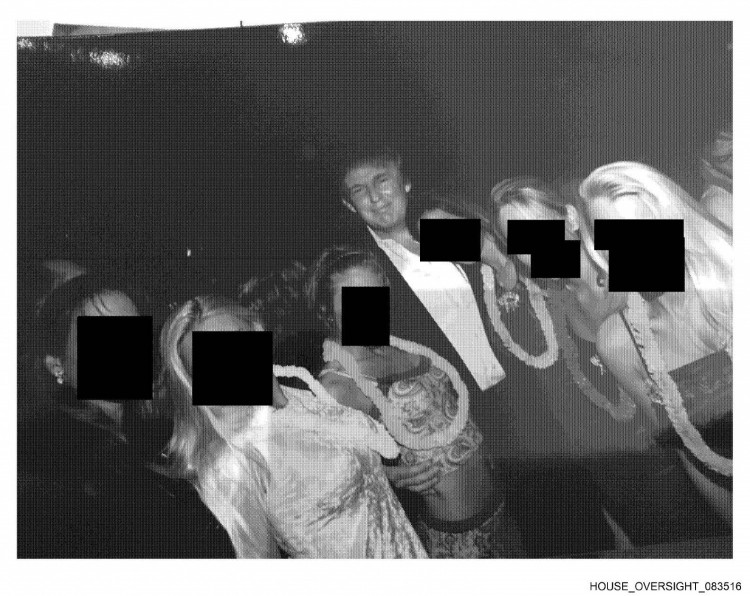
Michael Wolff, author of Fire and Fury, has again asserted that he was shown photographs by Epstein during interviews conducted in 2017. Wolff has said those images have not appeared in the newly released records, raising questions about whether all materials held by federal authorities have been disclosed. In a post published on his Substack in December, Wolff questioned whether the absence of certain materials reflected redactions or incomplete archiving.
Wolff has stated that Epstein presented the images as leverage and declined to release them publicly. He has also said he could not independently verify all details surrounding what he was shown. The Justice Department has not confirmed the existence of such images and has cautioned that some allegations circulating publicly are unverified.
In a statement accompanying the release of the documents, the Justice Department warned that "some of these documents contain untrue and sensationalist claims made against President Trump," adding that such claims are "unfounded and false." Officials emphasized that inclusion of a name in released materials does not imply wrongdoing.
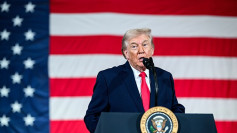
Trump addressed the controversy during remarks at his Mar-a-Lago residence, where he sought to distance himself from Epstein while criticizing the selective release of material. "Everybody was friendly with this guy," Trump said, referring to Epstein. He added, "I don't like the pictures of Bill Clinton being shown... I think it's a terrible thing."
Trump also reiterated that he had previously severed ties with Epstein and has denied any improper conduct. His representatives have repeatedly said that the files demonstrate he was not implicated in criminal activity.
The document release has also included correspondence and flight records from the 1990s, some of which list Trump as a passenger on Epstein's aircraft. Justice Department officials note that travel records alone do not establish misconduct and must be read in context. Several of the individuals named in the documents have not been accused of crimes.
Key elements disclosed so far include:
- Thousands of pages of investigative material gathered by federal authorities before 2019
- Emails and notes referencing Epstein's social and professional contacts
- Flight logs listing passengers without detailing conduct or purpose
- Internal DOJ disclaimers warning that allegations may be unverified
The renewed attention has fueled partisan conflict in Washington. Trump allies argue the disclosures are being weaponized politically, while critics say the full record must be released to ensure accountability. Angela Urena, a spokesperson for Bill Clinton, said in a public statement that selective disclosures distort the record and called for comprehensive transparency.