A widening dispute over the renaming of the John F. Kennedy Center for the Performing Arts to include President Donald Trump's name has triggered a wave of artist cancellations, legal challenges and mounting political backlash, turning one of Washington's most prominent cultural institutions into a flashpoint over politics, governance and artistic independence.
Several performers scheduled to appear at the Kennedy Center have withdrawn in recent weeks, citing objections to the decision to rename the venue the "Donald J. Trump and John F. Kennedy Memorial Centre for the Performing Arts." The move, approved by the center's board in December, has drawn criticism from artists and lawmakers who argue it politicizes a federally chartered cultural institution long regarded as nonpartisan.
The jazz septet The Cookers announced on Dec. 30 that it would cancel its New Year's Eve performances, saying in a statement that the group remains committed to music that "reaches across divisions rather than deepening them." The announcement followed earlier withdrawals by jazz drummer Chuck Redd, who canceled his annual Christmas Eve concert after nearly two decades, and by the dance company Doug Varone and Dancers, which pulled out of scheduled spring appearances.
Additional musicians, including folk artist Kristy Lee, have also canceled planned performances, signaling a broader backlash within the arts community. Saxophonist Billy Harper, a member of The Cookers, said he would "never even consider performing in a venue bearing a name (and being controlled by the kind of board) that represents overt racism and deliberate destruction of African American music and culture."
The Kennedy Center's board, reconstituted earlier this year with a majority of Trump appointees, voted on Dec. 18 to adopt the new name. The decision has drawn legal scrutiny, including a lawsuit filed by Rep. Joyce Beatty, an Ohio Democrat and ex officio board member. Her complaint argues that only Congress has the authority to rename an institution established by federal statute and describes the board vote as a "sham" designed to ratify a predetermined outcome.
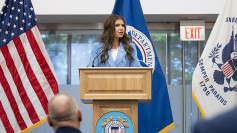
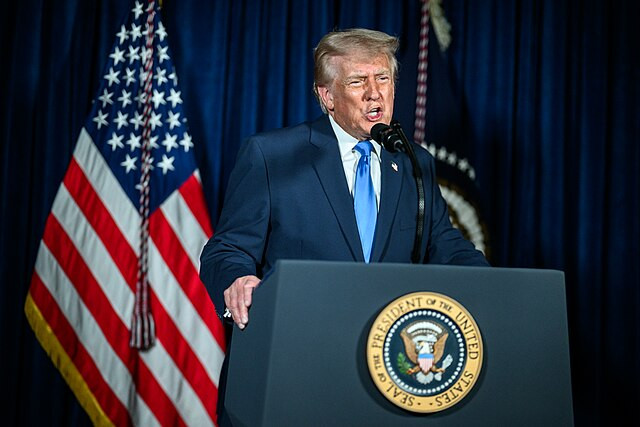
The White House has pushed back against criticism. Press Secretary Karoline Leavitt said the board's action reflected "unequivocal bipartisan support" and framed the renaming as part of an effort to strengthen the institution's long-term future. She added that President Trump's involvement was intended to reinforce the center's stability and visibility.
The dispute has placed the Kennedy Center at the center of a broader cultural and political confrontation. Artists and critics argue that the name change undermines the institution's symbolic role as a unifying national memorial, while supporters say it reflects a legitimate exercise of board authority and political leadership.
Several performers who remain on the schedule have privately expressed concern about declining ticket sales and audience uncertainty as the controversy intensifies. Cultural observers note that cancellations tied to governance disputes are rare at the venue, underscoring the unusual scale of the backlash.