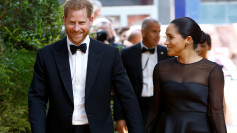
Prince Harry's long-running dispute with the British government over taxpayer-funded security has entered a decisive phase, raising the prospect that an administrative ruling-rather than palace diplomacy-could determine when and how the Duke of Sussex reconnects with Britain and the royal family.
The outcome of a Home Office security review, expected before the end of January, will decide whether the government restores automatic police protection for Harry and his family when they travel to the UK. For the 41-year-old prince, who relocated to California in 2020, the decision carries implications far beyond logistics, shaping his ability to visit his homeland with Meghan, Prince Archie and Princess Lilibet.
The case stems from Harry's withdrawal as a senior working royal, which triggered a downgrade in his security status and placed responsibility for protection decisions with the Protection of Royalty and Public Figures committee, known as Ravec. The committee operates under the Home Office and assesses security arrangements for public figures using threat-based criteria rather than hereditary rank.
In May last year, Harry lost a legal challenge contesting Ravec's decision to remove his automatic entitlement to police protection. That ruling appeared to close the door on his claim, but a subsequent review process reopened the issue, allowing a reassessment based on updated intelligence and risk analysis.
Sources cited by British media say the prince has expressed confidence that the review could reverse the earlier decision. People magazine reported that officials have issued "positive" signals, suggesting a willingness to revisit how threats against Harry are evaluated when he is in Britain.
A key factor is the structure of Ravec itself, which limits the influence of Buckingham Palace. As one insider explained, although palace representatives sit on the committee, "it is not their role to advise on threat analysis or appropriate mitigations. That is for the actual intelligence and security experts, as they do whenever the duke's visits to the UK are reviewed under the existing Ravec process." The remark underscores that final authority rests with security professionals rather than royal aides.
The current review is being conducted by the Risk Management Board, a specialist sub-committee of senior police and intelligence officials. It marks the first comprehensive threat assessment since Harry stepped back from royal duties, replacing the ad-hoc, visit-by-visit arrangements that have governed his security for years.
Harry has argued that those arrangements make family travel impractical and unsafe. He has pointed to incidents that, in his view, demonstrate ongoing risk, including the emergence of a stalker who approached him during a UK charity visit in 2025 and the existence of individuals previously convicted of plotting harm against him who are no longer incarcerated.
The prince has also taken the unusual step of writing privately to Home Secretary Shabana Mahmood, requesting a full reassessment of the risks he and his family face. That appeal reflects his broader contention that the issue is not one of status, but of personal safety.
The stakes extend into royal relations. King Charles last saw his grandchildren during the Platinum Jubilee celebrations in June 2022, and any sustained reunion has been constrained by Harry's reluctance to travel without assured protection. While the palace has no formal role in the review's outcome, a favorable ruling could remove one of the most significant practical barriers to renewed contact.