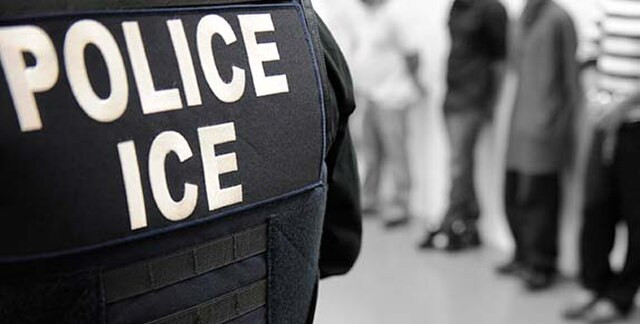
Federal immigration agents mistakenly detained a naturalized U.S. citizen in St. Paul, Minnesota, breaking down his front door and escorting him outside in freezing weather before realizing they had the wrong person-an incident that has intensified legal and political challenges to Immigration and Customs Enforcement operations across the Twin Cities.
The detention of ChongLy "Scott" Thao, 56, occurred early Sunday, Jan. 18, during what the Department of Homeland Security described as a targeted enforcement action under Operation Metro Surge. Video reviewed by the Associated Press shows Thao handcuffed in underwear and sandals, wrapped only in a thin blanket, as more than a dozen officers surrounded him in near-freezing conditions.
Thao, a naturalized citizen originally from Laos, was held for up to two hours before agents released him without apology, according to family members. The incident has since gone viral, drawing condemnation from local officials and civil liberties groups who argue it exemplifies overreach and constitutional violations by federal agents.
According to DHS, officers were searching for two convicted sex offenders believed to be associated with the address. The agency said Thao "matched the description" of a target and initially refused facial identification. Thao's family disputes that account, saying no such individuals lived at the residence and that he was denied access to his identification during the encounter.
Video footage shows Thao being driven to another location and made to exit a vehicle for photographs in the cold before agents determined the error. His four-year-old grandson was reportedly present during the initial detention, compounding community outrage.
The episode has become a flashpoint in ongoing litigation against ICE tactics in Minnesota. A coalition led by the American Civil Liberties Union has filed a lawsuit, Hussen v. Noem, alleging racial profiling, warrantless arrests and suspicionless stops during Operation Metro Surge. The suit contends that federal agents detained U.S. citizens and noncitizens alike without probable cause, violating Fourth Amendment protections.
Judicial scrutiny has accelerated. On Jan. 16, U.S. District Judge Katherine Menendez issued a preliminary injunction limiting DHS agents' authority to detain peaceful protest observers and restricting the use of crowd-control measures without lawful cause. The order followed earlier confrontations between federal agents and demonstrators protesting the surge.
State officials have also moved to block the operation. Minnesota Attorney General Keith Ellison, backed by local leaders, filed suit seeking to halt the enforcement push, describing it as unlawful and disruptive. The Department of Justice pushed back sharply, calling Minnesota's request for a restraining order "legally frivolous" and arguing that states cannot veto federal law enforcement.
Operation Metro Surge, launched in early January, has deployed thousands of agents across Minneapolis-St. Paul, with actions reported at workplaces, hospitals, schools and residences. DHS maintains the surge targets undocumented immigrants linked to criminal activity, while critics say its breadth has sown fear in immigrant and minority communities.