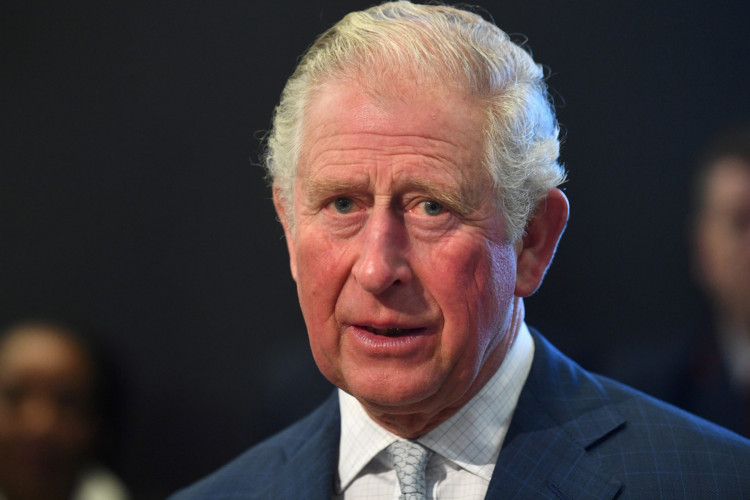
King Charles III has grown increasingly uncomfortable with being publicly branded Britain's first "billionaire king," according to sources close to the monarch, as renewed scrutiny of royal finances pushes estimates of his personal wealth toward the $2 billion mark. Since ascending the throne in 2022 after the death of Queen Elizabeth II, Charles has inherited vast estates and complex financial arrangements that, aides say, he believes are being mischaracterized as personal riches.
The renewed attention has been fueled by documentaries, investigative reporting and a broader public debate over transparency, inheritance tax exemptions and the monarchy's funding model. The BBC documentary What's the Monarchy For?, presented by David Dimbleby, has intensified discussion of royal power, image and wealth, bringing Charles' finances into sharper focus at a time of economic strain for many Britons.
"Charles hates talking about money and always has," a source close to the king said. "Being publicly labelled a billionaire feels like an invasion of privacy and a misunderstanding of how royal finances actually work. He finds it deeply embarrassing."
Those close to the monarch say his discomfort goes beyond embarrassment. "Charles bristles at the suggestion that he is some kind of super-rich tycoon hoarding wealth, and it has left him absolutely squirming," a source familiar with his thinking said. "From his perspective, what he has inherited are centuries-old estates and obligations tied to the crown, not a private bankroll to be displayed, dissected or reduced to a headline figure."
Much of the king's estimated wealth derives from the Duchy of Lancaster, which provides income to the sovereign, along with privately owned estates such as Sandringham and Balmoral. While these holdings are legally distinct from the Crown Estate, the distinction is often lost in public debate. "Charles fully understands how jarring those figures appear to the public, especially at a time of widespread financial strain," the source said. "That awareness is precisely why he is so irritated by the way the numbers are casually bandied about, stripped of context and nuance."
Friends and advisers say the billionaire label runs directly counter to Charles' upbringing and instincts. "He grew up with the firm belief that talking openly about money was in poor taste," an insider said. "Seeing his finances scrutinised and analysed in the same way as those of a Silicon Valley billionaire leaves him profoundly uncomfortable."
The timing has been particularly sensitive as fallout from the scandals surrounding Prince Andrew has reignited questions about royal privilege and funding. Public debate has extended to how legal settlements and living arrangements linked to Andrew were financed, sharpening demands for clarity around the monarchy's opaque financial structures.
Within the king's inner circle, frustration has mounted over what they view as oversimplification. "There is a real sense of irritation that all the complexity is stripped away," the source said. "Royal finances are layered and difficult to quantify, yet they are reduced to a blunt, attention-grabbing label. Charles feels uncomfortably exposed by that oversimplification."
Charles, aides say, would rather public attention focus on service and constitutional duty. "He believes the fixation on his alleged billionaire status pulls focus away from the duties he is meant to uphold," the source explained. "In his view, it diminishes the dignity of the monarchy and encourages comparisons that distort the nature of the role he occupies."
As modern expectations of transparency collide with centuries-old royal conventions, those around the king acknowledge the tension may be unavoidable. "He never aspired to be seen as the wealthiest monarch of the modern era," the source said. "He wanted his legacy to be defined by responsibility and service. Being branded a billionaire makes him feel as though his private financial affairs have been exposed without his consent."