Rumors claiming that Israeli Prime Minister Benjamin Netanyahu had been assassinated or fled to Germany circulated widely online this weekend, even as official statements and government-released imagery placed him inside Israel overseeing security operations.
The false reports gained traction during heightened tensions between Israel and Iran, with social media posts alleging that Netanyahu had been killed in an Iranian strike or had secretly boarded a flight to Berlin. None of those claims were supported by official confirmation.
Instead, Israel's Government Press Office published material showing Netanyahu in a security meeting at the Kirya military headquarters in Tel Aviv on March 1, alongside the defense minister, the Israel Defense Forces chief of staff and the director of the Mossad. The images were posted publicly as Iranian retaliatory strikes continued.
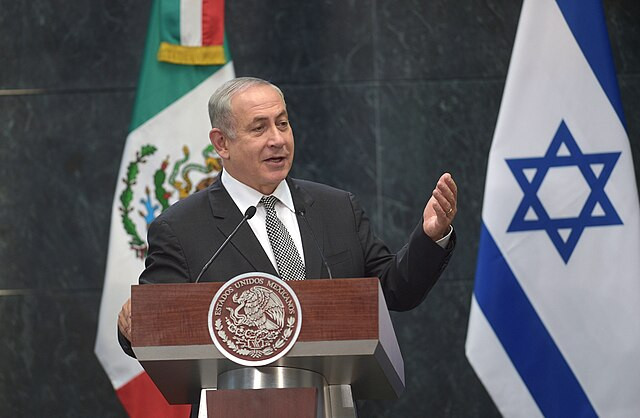
Credible Israeli outlets also reported remarks delivered by Netanyahu from Tel Aviv and Beit Shemesh, where he addressed civilian casualties linked to Iranian missile fire. "These are painful days. Yesterday here, in Tel Aviv, and now in Beit Shemesh, we lost dear people," he said, adding that his "heart goes out" to the families and wishing the wounded a speedy recovery.
The assassination rumor appears to have filled an information vacuum created by limited public appearances during an acute security crisis. Such reduced visibility is common in wartime, when leaders often remain in secure locations and movements are tightly controlled.
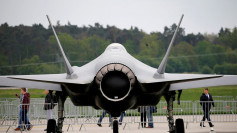
A separate strand of speculation centered on flight-tracking data showing Israel's official government aircraft in Berlin. Screenshots circulated online suggested that Netanyahu had fled the country. However, Reuters reported that Israel flew its official government aircraft to Germany and parked it at Berlin's airport for safety, citing German government sources.
The presence of the aircraft abroad does not establish who, if anyone, was on board. Flight-tracking services can reveal routes but not passenger manifests. Wartime governments routinely reposition sensitive assets, including aircraft, to reduce exposure during missile attacks or regional instability.
Key facts that contradict the rumor include:
- Public remarks attributed to Netanyahu inside Israel.
- Official imagery showing him in a Tel Aviv security meeting on March 1.
- Reuters reporting that the aircraft's relocation was for security reasons.
There is no evidence that the Israeli state apparatus fabricated the images or statements in real time. Nor has any Israeli authority announced a change in leadership, a step that would be unavoidable in the event of an assassination.