A coalition of more than 30 countries led by the United Kingdom has launched an urgent diplomatic initiative to reopen the Strait of Hormuz, as disruptions to one of the world's most critical oil corridors intensify and the United States signals a reduced role in securing the region.
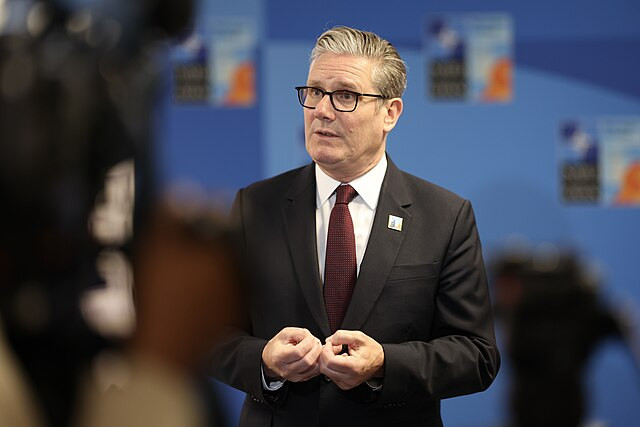
The effort, convened by UK Foreign Secretary Yvette Cooper and backed by Prime Minister Keir Starmer, will bring together more than 30 governments in a virtual meeting aimed at restoring maritime access through the chokepoint that carries a significant share of global oil shipments.
In a joint statement framing the initiative, participating countries said they "will assess all viable diplomatic and political measures we can take to restore freedom of navigation, guarantee the safety of trapped ships and seafarers and to resume the movement of vital commodities."
The move comes as the United States, traditionally the guarantor of Gulf maritime security, adopts a more limited posture under President Donald Trump. Trump has publicly dismissed the idea of U.S. responsibility for securing the route, telling allies to "go get your own oil," a stance that has forced European and Asian partners to recalibrate their response.
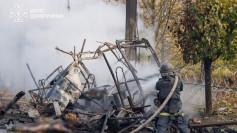
The Strait of Hormuz, a narrow passage between Iran and Oman, handles roughly one-fifth of global seaborne oil trade. Recent Iranian actions targeting commercial shipping, combined with threats of further escalation, have effectively stalled traffic through the waterway.
Market and logistics impacts have been immediate:
- Oil shipments delayed or rerouted
- Insurance premiums for tankers sharply higher
- Energy prices climbing amid supply uncertainty
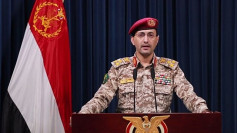
Security analysts note that Iran's capabilities in the region-including anti-ship missiles, drones, naval mines, and fast attack craft-make any attempt to forcibly reopen the strait highly risky. Military intervention could quickly escalate into a broader regional conflict involving multiple actors.
That risk has, for now, reinforced a diplomatic-first approach. Officials involved in the UK-led talks describe the meeting as an initial step, with follow-up sessions expected to address operational questions such as escort mechanisms, rules of engagement, and coordination among naval forces.
Starmer has indicated that a parallel track is under consideration. Military planners from allied countries are expected to explore options for securing shipping lanes once immediate hostilities subside, suggesting that any naval deployment would be contingent on reduced tensions.
A broader coalition of 35 countries-including France, Germany, Italy, Canada, Japan, and the United Arab Emirates-has already issued a joint demand for Iran to halt efforts to block the strait. The same statement pledged to "contribute to appropriate efforts" to ensure safe passage for vessels.
The initiative highlights a broader geopolitical shift. European powers, particularly the UK and France, are attempting to assume greater responsibility in global security matters as U.S. commitments appear less predictable.
However, coordinating a coalition of this scale presents structural challenges. Differences in strategic priorities, military capabilities, and risk tolerance among participating countries could complicate decision-making at a moment when rapid and unified action may be required.