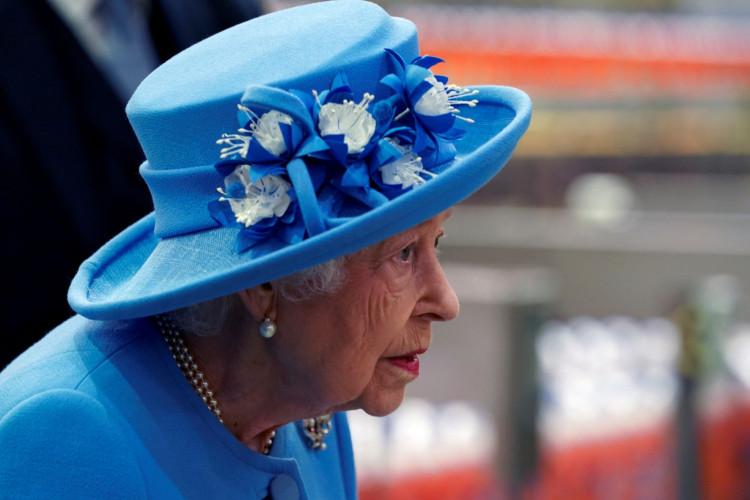
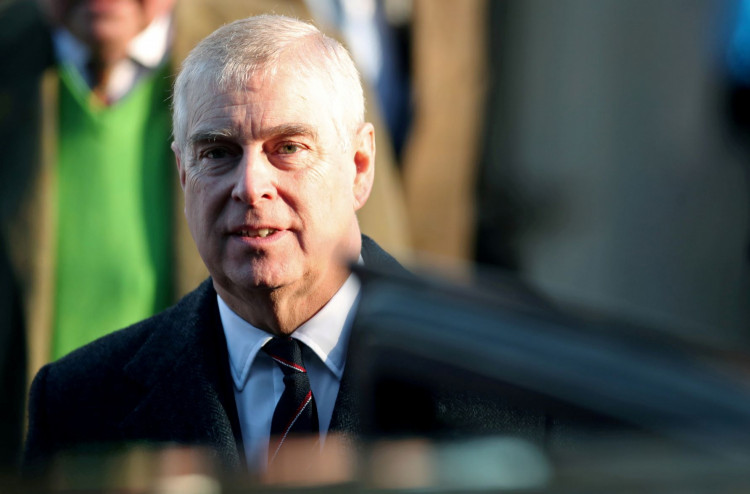
Britain's government on Thursday released long-sealed documents showing that the late Queen Elizabeth II personally pushed for Prince Andrew to become the United Kingdom's trade envoy, reigniting scrutiny over the royal family's handling of the disgraced duke's public role years before his ties to convicted sex offender Jeffrey Epstein engulfed the monarchy in scandal.
The files, published after pressure from lawmakers, reveal senior officials were told the Queen was "very keen" for Andrew - referred to formally in government records as Andrew Mountbatten-Windsor - to assume a "prominent role in the promotion of national interests" following the retirement of the Prince Edward, Duke of Kent from trade duties.
The disclosure lands at a politically sensitive moment for both the monarchy and the British government, with police continuing to investigate allegations tied to Andrew's conduct in public office. Andrew has consistently denied wrongdoing.
One of the central documents released Thursday was a February 25, 2000 memo written by Sir David Wright, then-chief executive of British Trade International, to former Foreign Secretary Robin Cook.
"The Queen is very keen that the Duke of York should take on a prominent role in the promotion of national interests," Wright wrote.
He added: "The Queen's wish is that the Duke of Kent should be succeeded in this role by the Duke of York."
The memo described the transition as a "natural fit" because Andrew's naval career was nearing its end and stated that "no other member of The Royal Family would be available to succeed the Duke of Kent."
The newly released papers also show officials were already aware Andrew's celebrity profile could complicate the position.
A government memo circulated to British trade staff worldwide warned that "HRH's high public profile" would require "careful and sometimes strict media management," according to the documents.
The British government said it found "no evidence that a formal due diligence or vetting process was undertaken" before Andrew assumed the role in 2001.
Trade Minister Chris Bryant acknowledged that lack of scrutiny in a written statement to Parliament, though he argued officials at the time may have viewed the appointment as an extension of longstanding royal involvement in trade promotion.
"There is also no evidence that this was considered," Bryant said. "This is understandable since this new appointment was a continuation of the royal family's involvement in trade and investment promotion work following the Duke of Kent's decision to relinquish his duties."
Andrew served as the U.K.'s Special Representative for International Trade and Investment from 2001 until 2011, traveling extensively on behalf of British business interests and meeting senior political and corporate figures around the world.
The position eventually became politically toxic as questions intensified over Andrew's relationships with controversial figures in countries including Libya and Azerbaijan, long before the Epstein scandal reached its peak.
The fallout accelerated after U.S. authorities released extensive records linked to Epstein's international network, exposing connections between the financier and numerous wealthy and politically connected figures.
In Britain, the scandal triggered broader debate over privilege, institutional protection and the culture surrounding what critics often refer to as "the Establishment" - an interconnected network of aristocrats, politicians and business elites.
The release of the files is also likely to deepen scrutiny of the late Queen's longstanding support for Andrew, who was widely regarded as her favorite son inside royal circles.
While King Charles III has attempted to distance the modern monarchy from Andrew by stripping him of military affiliations and royal duties, the newly disclosed records underline how deeply Andrew's public role was once supported at the highest levels of both Buckingham Palace and government.
Bryant also confirmed the government is cooperating with Thames Valley Police regarding its ongoing investigation into Andrew Mountbatten-Windsor and possible misconduct in public office.
Andrew has "vehemently denied any wrongdoing," according to statements referenced in the released documents.