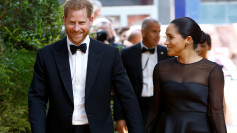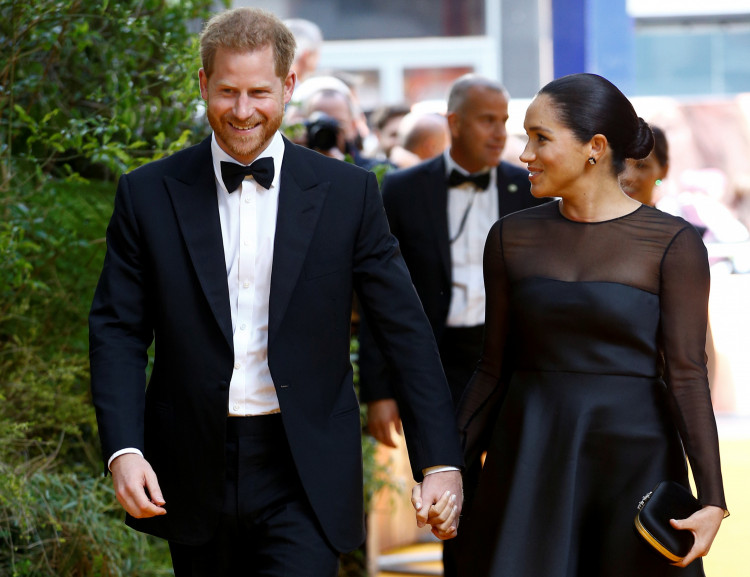
In Los Angeles and across the U.S. entertainment industry, Meghan Markle and Prince Harry are encountering growing reluctance from top-tier creative partners, according to reporting by Variety's chief correspondent Matt Donnelly, who cited concerns about reputational risk, creative control and limited production experience.
Speaking on the podcast "The Royalist" with Tom Sykes of The Daily Beast, Donnelly described an industry calculus that has shifted since the couple relocated to California in 2020 and launched their Archewell production ventures. "I think it's sort of a double-edged sword," Donnelly said, pointing to the tension between global visibility and persistent scrutiny.
The Sussexes entered Hollywood with high expectations, backed by multi-year deals-most notably with Netflix-and an existing public profile that few new entrants could match. Meghan Markle's prior acting career on Suits and the couple's extensive network in entertainment circles suggested a pathway to premium partnerships and large-scale projects.
Yet several years into that strategy, industry observers note a gap between initial expectations and realized collaborations. While the couple has produced headline-generating content tied to their personal story, including documentary and memoir projects, there is limited evidence of sustained partnerships with leading producers, directors or studios.
Donnelly indicated that hesitation within Hollywood stems partly from the intense media environment surrounding the couple. "Because I think in one way I can absolutely see talent not wanting the added layer of headache," he said. "You know, these are a highly scrutinised couple that often press breaks bad around them. So it might be a curse, just like how they're covered."
That scrutiny, analysts say, creates a risk-reward imbalance for established figures in the entertainment industry. Associating with the Sussexes may guarantee global attention, but it also invites heightened media scrutiny and potential reputational volatility-factors that can complicate project development and marketing strategies.
Concerns extend beyond publicity. Donnelly's reporting suggests that some prospective collaborators are wary of the couple's level of involvement in creative processes. "What kind of partners they are, at least for my sources and how they work, and the process by which they want to influence and touch material might be seen as too invasive," he said.
He also underscored a perceived experience gap relative to seasoned producers. "And also, you're talking about two people who aren't really proven in the space," Donnelly added, drawing a distinction between the Sussexes' high-profile content and the broader demands of scripted film and television production.
That perception has been reinforced by the nature of the couple's early projects, many of which centered on their departure from royal life and personal narrative. While such content attracted large audiences, it did not necessarily establish a track record in developing original, third-party creative properties-an important benchmark in Hollywood dealmaking.
At the same time, supporters of the Sussexes argue that the couple's global platform remains a powerful asset and that their projects-particularly those tied to social impact themes such as the Invictus Games-demonstrate a broader creative ambition. They also note that the intense scrutiny surrounding the pair can magnify setbacks that would otherwise be routine in the entertainment industry.
Neither representatives for Meghan Markle nor Prince Harry responded publicly to the remarks cited in the podcast, and no major Hollywood figures have commented on the record regarding their willingness to collaborate. Much of the current narrative remains based on insider accounts rather than confirmed positions.