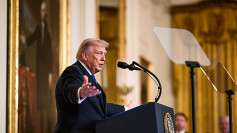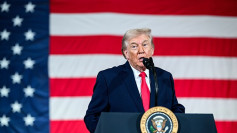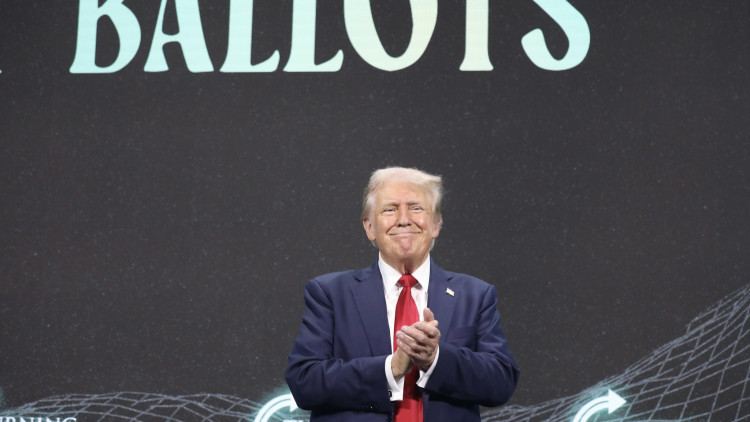
Donald Trump pushed back on remarks by Prince Harry following the royal's speech in Kyiv, saying the duke "is not speaking for the UK" and asserting that he himself "speaks more for the UK," in a public exchange that underscores widening differences over Western leadership in the Ukraine war.
The comments came after Prince Harry addressed the Kyiv Security Forum on April 23, urging the United States to take a stronger role in supporting Ukraine and to uphold commitments tied to the 1994 Budapest Memorandum. Trump, responding to reporters at the White House a day later, dismissed the duke's authority on the matter.
"Prince Harry is not speaking for the UK, that's for sure. I think I'm speaking for the UK more than Prince Harry," Trump said during the exchange, which occurred days before a planned visit to Washington by King Charles III.
Prince Harry framed his Kyiv appearance as a personal intervention rooted in military experience rather than political authority. "not as a politician" but "as a soldier... and as a friend of Ukraine," he said, emphasizing the human and strategic stakes of the conflict.
In his speech, the duke called on Washington to "honour its international treaty obligations" and described the United States as having "a singular role" in maintaining global stability. He argued that continued support for Ukraine should be grounded in "global security and strategic stability," echoing longstanding appeals from Kyiv and Western allies.
The remarks also touched on the broader consequences of the war, including its psychological and humanitarian toll. Prince Harry highlighted the experiences of both civilians and veterans, warning against what he described as "silence, delay and lack of accountability" from the international community.
Trump's response, however, focused less on the substance of the argument and more on the issue of representation. The president did not directly address the Budapest Memorandum or the policy implications of Harry's remarks, instead drawing a distinction between official state actors and private individuals.
That distinction reflects the duke's current status. Since stepping back from royal duties in 2020, Prince Harry no longer represents the British government or monarchy in an official capacity. Still, his global profile and past military service have continued to give weight to his public statements on international issues.
The exchange unfolds amid a broader debate across the United States and Europe about the trajectory of support for Ukraine. Governments have faced mounting questions over military aid levels, long-term commitments and the balance between domestic priorities and international obligations.
The timing adds a diplomatic dimension. King Charles III's expected visit to Washington is likely to center on cooperation between the United States and the United Kingdom, including trade and climate policy, placing Trump's remarks within a wider context of transatlantic relations.