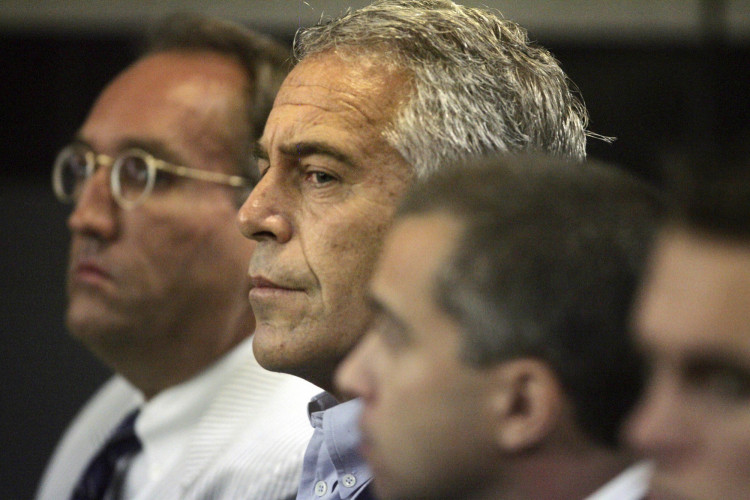
Survivors of Jeffrey Epstein gathered on the National Mall in Washington, D.C. on April 25, pressing the U.S. Department of Justice to release remaining investigative files, as a public exchange with federal officials intensified criticism of the government's handling of the case.
The demonstration, organized by advocacy groups including Women's March and UltraViolet, coincided with the White House Correspondents' Dinner and included a memorial for Virginia Giuffre, who died in April 2025. Participants called for full disclosure of documents tied to Epstein's network and the broader investigation.
The gathering drew national attention after Scott MacFarlane reported on the event, highlighting survivors' demands for transparency. In response, a DOJ Rapid Response social media account replied publicly: "We encourage any victim in attendance to walk over to the FBI office and make a statement about what they know and who they know abused them."
The statement triggered immediate backlash from legal analysts and advocates, who argued it overlooked years of cooperation between survivors and federal investigators. Aaron Parnas criticized the response in a Substack broadcast, stating: "This is a slap in the face to so many survivors because all of these survivors, many of them, have already made statements to the FBI."
Parnas emphasized that survivors had already provided detailed accounts to both the Federal Bureau of Investigation and the Justice Department, arguing that the federal response failed to address their core demand-public release of investigative records rather than repeated testimony.
The protest comes amid renewed scrutiny of the DOJ's handling of Epstein-related materials. On April 23, the department's inspector general opened an investigation into compliance with the Epstein Files Transparency Act following complaints from dozens of lawmakers. The inquiry focuses on whether the department has met its obligations to disclose records tied to the case.
The dispute has been compounded by prior statements from Acting Attorney General Todd Blanche, who said the investigation into the files was "over," despite acknowledgment that millions of pages remain unreleased. That gap has become a focal point for survivors and advocacy groups seeking broader accountability.
At the rally, participants framed their demands as part of a longer effort to force institutional transparency. Many said that meaningful progress requires releasing documents already in government possession rather than directing victims to re-engage with investigative processes they have already completed.