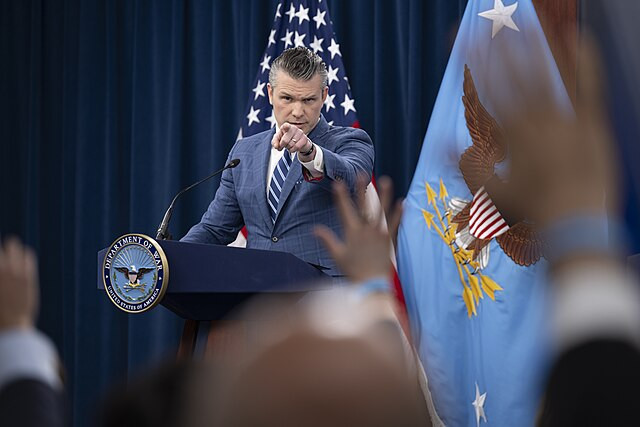
Pete Hegseth faced sharp bipartisan scrutiny during a House Armed Services Committee hearing as he defended a sweeping overhaul of senior military leadership, arguing that dismissed generals had contributed to what he described as a decline in effectiveness within the U.S. Department of Defense.
The hearing, held amid ongoing U.S. military operations tied to tensions in the Strait of Hormuz, centered on Hegseth's decision over the past 16 months to remove or sideline at least a dozen high-ranking officers, including former Army Chief of Staff Randy George. Lawmakers pressed for detailed justifications, but the defense secretary declined to provide case-by-case explanations.
Hegseth framed the actions as a necessary recalibration of command leadership, telling the committee that "every officer serves at the pleasure of the president and when they need to be removed in order to ensure we have the right leadership in those services." He added, "I will make those calls regardless of what you might say from the dais."
The removals represent one of the most significant leadership shake-ups at the top of the U.S. military in recent decades. Critics argued that the lack of transparency risks undermining institutional stability, particularly during active military engagements. Supporters, however, described the moves as a long-overdue shift toward aligning leadership with the administration's strategic doctrine.
The exchange grew more pointed when Derek Tran questioned whether the president had authorized the dismissal of General George. Hegseth responded that he "confer[s] with the Commander-in-Chief on especially high-level personnel matters" and confirmed the president "was aware of the action that would be taken."
Another line of questioning focused on promotion decisions within the armed forces. Lawmakers highlighted concerns raised by Army Secretary Dan Driscoll regarding the removal of qualified candidates from advancement lists. Pressed directly, Hegseth acknowledged the changes, stating, "I know we removed those names," while declining to elaborate on the criteria used.
The issue has drawn attention to broader debates over diversity, merit, and political influence within military leadership pipelines. Critics suggested the pattern of removals and blocked promotions could signal a shift toward prioritizing ideological alignment, while defense officials have maintained that decisions are based on strategic needs.
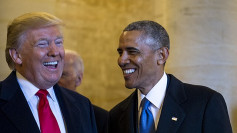
Hegseth also invoked historical precedent, claiming that "197 general officers were removed under the Obama administration," a figure that has been disputed in prior Pentagon assessments. The comparison underscored his argument that leadership turnover is not without precedent, even as lawmakers questioned the scale and speed of recent changes.
The timing of the overhaul has intensified concerns. General George's departure coincided with heightened U.S. activity in the Middle East, raising questions about continuity of command during a sensitive operational period. Hegseth dismissed those concerns, reiterating that modernization of leadership was essential to maintaining readiness.
As part of the broader hearing, lawmakers also scrutinized the Pentagon's budget request, which approaches $1.5 trillion. Tran emphasized the stakes, telling Hegseth, "You're here to ask for $1.5 trillion. That's a huge budget, and I want to make sure that you have the ability to manage it."