Donald Trump is scheduled to undergo annual medical and dental evaluations at the White House later this month, according to CNN anchor Kaitlan Collins, after a widely circulated video showing the 79-year-old president appearing to briefly nod off during a public event reignited debate over his health, stamina and cognitive fitness.
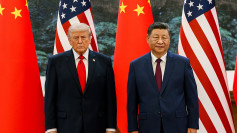
Collins reported on X that "President Trump will undergo his 'annual dental and medical evaluations' on May 26," citing information provided by the White House. The examinations are expected to take place shortly after Trump returns from a two-day trip to China scheduled for May 14 and 15.
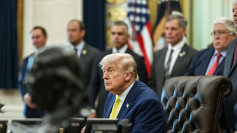
The timing of the announcement drew immediate attention because it followed days of renewed scrutiny surrounding Trump's public appearances. Footage circulating online appeared to show the president closing his eyes for several moments during an official White House function, prompting critics and commentators to question whether fatigue, age or simple boredom explained the incident.
The White House has not directly addressed the clip, nor suggested the evaluations are connected to any specific health concern. Officials have characterized the appointments as routine annual examinations. Still, presidential health has historically carried political significance, particularly for aging leaders whose physical endurance and mental sharpness become central campaign and governance issues.
Collins' reporting also highlighted another dimension of Trump's recent public behavior: his increasingly open discussion of cognitive testing and succession politics. During a recent White House Rose Garden dinner, Trump reportedly informally polled guests about potential Republican leadership after his presidency.
According to Collins, Trump asked attendees: "Is it gonna be JD [Vance]? Is it gonna be someone else? I don't know," before weighing possible future tickets involving Vice President JD Vance and Secretary of State Marco Rubio. Trump reportedly added: "Sounds like a good ticket."
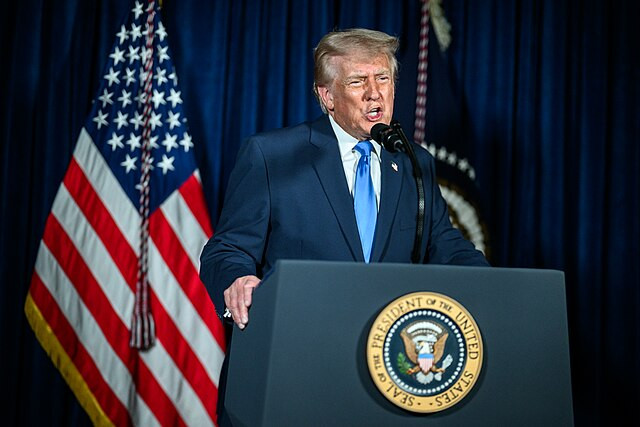
Just days later, Trump used remarks at the White House Small Business Summit to publicly defend his own mental acuity in unusually detailed fashion. Speaking from the lectern, the president said he had taken the Montreal Cognitive Assessment three separate times and "aced each one."
Trump further claimed that a doctor told him it was the first perfect score they had ever seen, though the White House has not publicly released documentation supporting that statement or identified the physician involved.
The president also offered a running commentary on portions of the exam itself, describing one section involving recognition of animals. "The first question is very easy," Trump said, referencing images of "a lion, a bear, an alligator and a squirrel."
He portrayed the test as increasingly difficult "by the time you get to the middle," presenting his performance as evidence of exceptional mental sharpness.
Medical experts, however, have cautioned against overstating the significance of the test. Ziad Nasreddine, who developed the Montreal Cognitive Assessment, told Nine.com.au that the screening tool "wasn't designed to be a test of IQ."
Nasreddine explained the assessment exists "to assess normal cognitive performance," particularly for identifying potential early signs of conditions such as dementia or Alzheimer's disease. The test is widely used internationally and generally evaluates baseline cognitive functioning rather than advanced intellectual ability.
Typical tasks in the assessment include:
- Drawing a clock displaying a specific time
- Recalling a short list of words
- Identifying dates and locations
- Recognizing simple objects or animals
Trump's public discussion of the exam has nevertheless transformed the normally routine neurological screening into a recurring political talking point. Supporters have used his comments to argue the president remains mentally resilient despite his age. Critics, meanwhile, have questioned why a president confident in his abilities feels compelled to repeatedly showcase basic cognitive test performance.