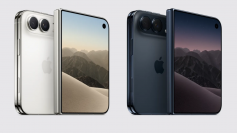
Apple is pushing toward what could become its most ambitious iPhone redesign in nearly a decade, with leaks and analyst reports pointing to a foldable handset-widely referred to as the "iPhone Ultra"-targeted for a September 2026 debut, even as engineering concerns around the device's hinge system threaten to complicate the timeline.
The long-rumored foldable iPhone has yet to appear publicly, but a growing wave of supply-chain leaks, analyst commentary and manufacturing reports suggests the project has moved beyond early experimentation into advanced production planning. According to reports cited by Bloomberg, Macworld and TechRadar, Apple is preparing a premium foldable device priced above $2,000, positioning it as both a technological showcase and a new ultra-luxury tier within the iPhone lineup.
The device is expected to launch alongside the iPhone 18 Pro series, though questions remain over whether Apple can finalize durability testing in time for mass production.
At the center of those concerns is the hinge.
According to leaks from Chinese tipster Momentary Digital, cited by several technology outlets, Apple's foldable hinge mechanism has reportedly struggled to meet the company's internal endurance standards during repeated opening-and-closing stress tests. The reports claim Apple engineers are attempting to resolve reliability issues tied to long-term mechanical wear, a problem that has challenged nearly every major foldable smartphone manufacturer.
The hinge challenge matters because Apple has historically delayed or abandoned products that failed to satisfy its quality-control benchmarks. Industry analysts note the company's reputation depends heavily on avoiding the visible durability problems that affected early foldable devices from competitors.
At the same time, reports suggest Apple may have solved another major technical obstacle that has plagued foldables for years: the display crease.
Several leaks claim the inner screen on the iPhone Ultra appears "visually crease-free," potentially giving Apple a major advantage in a segment where visible folding lines have often undermined the premium feel of the devices. If accurate, the improvement could become one of the product's defining selling points.
Apple itself has not commented publicly on the foldable project, consistent with the company's longstanding policy of refusing to discuss unreleased products.
The broader strategy emerging from the leaks suggests Apple is treating the device cautiously rather than chasing volume immediately. Reports from Weibo account Instant Digital and later coverage by Macworld indicate the foldable iPhone may initially launch in only a handful of colors, with white, silver and a possible indigo finish under consideration.
The restrained palette mirrors Apple's approach to previous category-defining products.
When the iPhone X debuted in 2017, Apple limited the device to just Silver and Space Gray finishes before later expanding options. Analysts say fewer color variations reduce manufacturing complexity and ease pressure on already difficult supply chains, particularly for devices involving entirely new production methods.
The expected pricing also signals Apple is aiming for exclusivity over scale.
Bloomberg's Mark Gurman has reported the foldable iPhone will likely exceed $2,000, placing it well above the company's current flagship models and potentially making it one of the most expensive mainstream smartphones Apple has ever sold.
Analysts tracking the project believe early shipments could remain constrained through 2027 due to production yields and component complexity. Some industry forecasts suggesting 15 million to 20 million units in demand may represent cumulative multi-year sales rather than first-year shipments alone.
Taiwanese suppliers are already believed to be participating in trial production runs, according to reports tied to Apple's Asian manufacturing network. That has fueled speculation the company remains committed to the foldable category despite the engineering setbacks.
The foldable market itself remains relatively small compared with the broader smartphone industry, but Apple's entry could dramatically reshape the segment. Competitors including Samsung Electronics, Huawei and Google have spent years refining foldable hardware, though none has yet pushed the category fully into the mainstream.