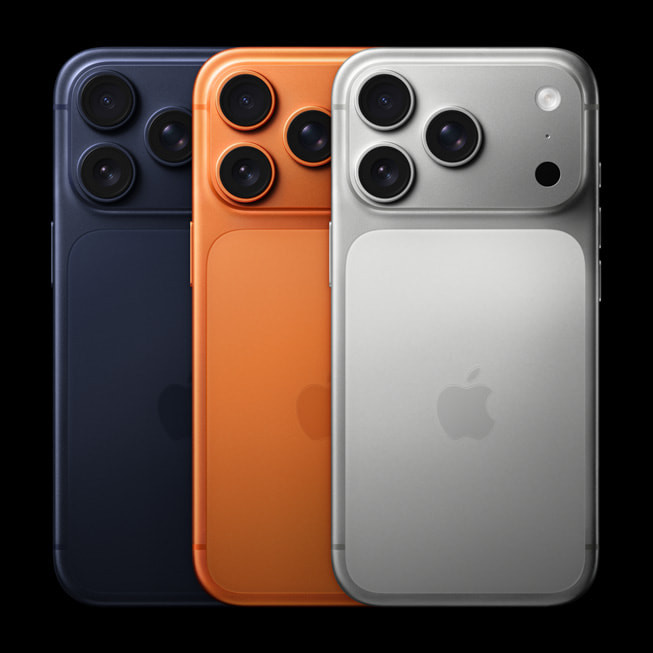
Apple has increased prices on several MacBook and iPad models by more than 10%, marking one of its most significant hardware pricing moves in recent years as surging memory chip costs ripple through the global technology industry. The increases come only days after Chief Executive Tim Cook warned that higher component costs would make price hikes "unavoidable."
The company updated pricing for multiple devices after its online store briefly went offline Thursday morning, according to CNBC. Among the products receiving higher price tags are the MacBook Neo, MacBook Air, MacBook Pro 1T, iPad Air and iPad Pro.
In a statement, Apple attributed the increases to mounting pressure across the semiconductor supply chain. "The consumer electronics industry is facing an unprecedented challenge" as "the rapid expansion of AI data centers has created an extraordinary surge in demand for memory and storage," the company said.
Apple added that, "We have never seen a component price increase this much, this quickly," explaining that it had reached "a point where we need to begin raising prices on a number of products." The company acknowledged the impact on customers, saying, "We know this is not welcome news, and we are working tirelessly to find solutions."
The announcement follows comments Tim Cook made in a recent interview with The Wall Street Journal, where he described higher prices as "unavoidable." Apple had previously warned investors during its fiscal second-quarter earnings call in April that it expected "significantly higher memory costs" beginning in the June quarter as supply constraints intensified.
The rising costs stem largely from the technology industry's rapid investment in artificial intelligence infrastructure. Companies building AI data centers require enormous volumes of DRAM and high-bandwidth memory chips to train and operate advanced AI models, tightening global supplies and pushing prices sharply higher.
Major memory manufacturers, including Samsung, Micron and SK Hynix, have increasingly prioritized production of high-performance server memory for AI systems over chips traditionally used in smartphones, tablets and personal computers. That shift has left consumer electronics manufacturers facing higher procurement costs across multiple product categories.
Apple had been able to cushion the impact by relying on inventories purchased before memory prices accelerated. However, those stockpiles have gradually been depleted, reducing the company's ability to absorb rising costs without affecting profit margins.
Apple is not alone in responding to the industry's changing economics. Samsung, Microsoft, Sony and Dell have also adjusted pricing strategies or product configurations as semiconductor costs climbed. Despite the supply pressures, Cook indicated Apple has no plans to manufacture its own memory chips, instead continuing to rely on its purchasing power and long-term supplier relationships to secure future component supplies.