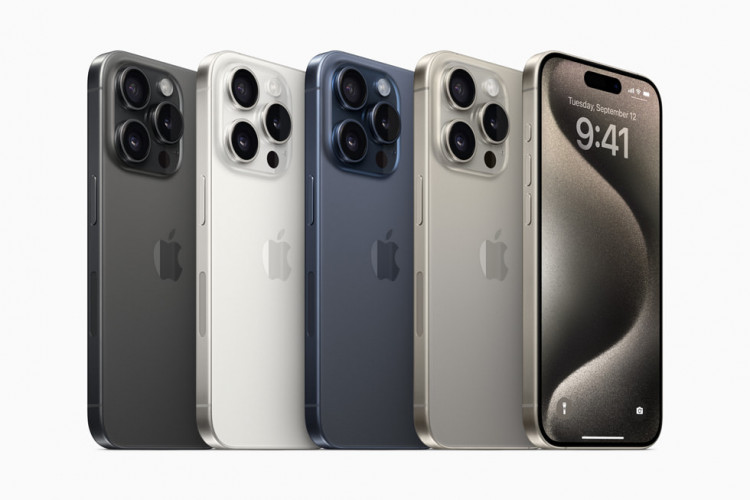
Apple's upcoming iPhone 18 Pro lineup could become the company's most expensive smartphone generation yet as soaring memory chip prices, fueled by the artificial intelligence boom, drive manufacturing costs sharply higher. Industry analysts estimate that the highest-end iPhone 18 Pro Max could cost as much as $300 more to build than its predecessor, raising the likelihood that consumers will see higher retail prices when the devices are expected to launch this September.
The anticipated increase is being driven less by new hardware features than by a global supply imbalance in memory chips. As technology companies race to expand AI infrastructure, suppliers have redirected production toward high-margin chips used in data centers, leaving smartphone manufacturers competing for tighter supplies of DRAM and NAND flash memory.
Apple Chief Executive Tim Cook has acknowledged the mounting pressure on component costs. In an interview with The Wall Street Journal, Cook said price increases tied to memory costs were coming and remarked that he had "never seen anything like the current squeeze" during more than four decades in the industry. While Apple has not announced pricing for the iPhone 18 family, analysts broadly expect the Pro models to reflect at least part of those higher production costs.
Counterpoint Research estimates that the bill of materials for the 1TB iPhone 18 Pro Max has increased by approximately $300 compared with last year's flagship model. That figure reflects manufacturing costs rather than the expected retail price, meaning Apple could absorb part of the increase or pass varying amounts on to consumers depending on the model.
According to analysts, the largest contributor to the higher production cost is memory.
Key cost drivers include:
- DRAM and NAND flash memory prices rising an estimated 63% to 75% year over year.
- Storage components for the 1TB flagship model reportedly exceeding $250.
- A next-generation application processor expected to cost more to manufacture than the chip used in the current iPhone lineup.
Although the processor represents another meaningful expense, analysts describe memory inflation as the dominant factor behind the projected increase.
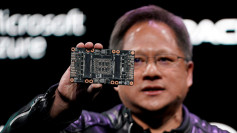
Unlike the semiconductor shortages experienced during the COVID-19 pandemic, today's constraints stem primarily from demand rather than manufacturing disruptions. Companies building AI infrastructure require enormous quantities of advanced memory to train and operate large language models and other artificial intelligence systems, creating intense competition for a limited number of components.
Only a handful of manufacturers-including Samsung, Micron and SK Hynix-produce the advanced memory chips required by both AI servers and premium consumer electronics. Faced with surging orders from hyperscale AI customers, those companies have increasingly prioritized production for data-center clients, where pricing and margins are generally more attractive.
Industry observers say that shift has reduced the amount of memory available for smartphones, laptops and other consumer devices. Much of this year's production has reportedly already been committed through long-term supply agreements with major AI companies, limiting manufacturers' ability to redirect inventory back toward consumer electronics in the near term.
The pricing impact is expected to be uneven across Apple's lineup. Analysts anticipate that the largest increases will affect higher-capacity Pro models, particularly versions equipped with 1TB of storage, while entry-level models could experience smaller adjustments if Apple chooses to preserve more accessible price points.