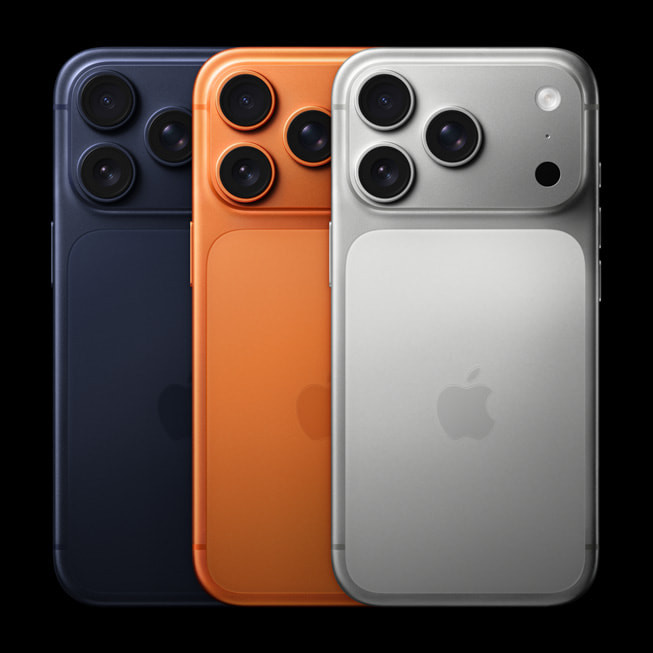
Apple could face a roughly 38% year-over-year increase in the bill of materials for the 256GB iPhone 18 Pro, according to TrendForce, as sharply higher memory prices reshape the economics of its flagship smartphone. The cost surge raises the odds of a retail price increase, but the research firm says Apple may absorb part of the pressure through lower gross margins rather than pass the entire increase on to consumers.
That distinction is important as speculation builds around the expected iPhone 18 Pro launch. Recent reports have floated a possible $1,399 starting price, but Apple has not announced official pricing, and the higher component-cost estimate by itself does not establish what buyers will ultimately pay.
The biggest source of pressure is memory. TrendForce estimates that memory represented roughly 10% of an iPhone's component cost last year, but expects that share to climb sharply as DRAM and NAND prices rise.
The research firm projects memory could account for more than 40% of total component costs by next year, an unusually large shift for a category that has historically represented a much smaller portion of smartphone manufacturing expenses.
That would leave Apple with a choice familiar across the electronics industry: raise prices, accept lower margins or make adjustments elsewhere in the product.
TrendForce expects Apple to absorb at least part of the increase. The firm points to the company's recent MacBook pricing strategy, where higher manufacturing costs were not fully reflected in consumer prices, as evidence that Apple may prioritize shipment volume and upgrade demand over preserving every point of gross margin.
Such a strategy would carry a financial trade-off. Lower margins would reduce profit per device, but a substantial retail-price increase could discourage upgrades at a time when consumers are already holding on to smartphones for longer periods.
For Apple, keeping the iPhone 18 Pro within a familiar premium-price range could therefore help protect unit sales even if component costs rise substantially.
The reported $1,399 starting-price figure remains speculative. A 38% increase in the bill of materials does not imply a 38% increase in the iPhone's sticker price because the BOM covers only the physical components used to assemble the device.
The final retail price also reflects:
- Research and development
- Software and services integration
- Manufacturing and logistics
- Marketing and distribution
- Warranty and support costs
- Apple's target gross margin
- Competitive positioning and expected demand
That means the relationship between component inflation and consumer pricing is indirect rather than mechanical.
The memory-cost problem also extends beyond Apple. TrendForce expects rising prices to pressure the broader smartphone industry, where many manufacturers operate with substantially thinner margins and have less room to absorb component inflation.
Companies with limited pricing power may be forced to raise prices, reduce specifications or accept weaker profitability if memory costs remain elevated. Apple's balance sheet and premium positioning give it more flexibility than many rivals to choose among those options.