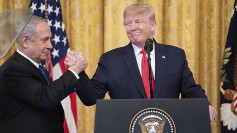
President Donald Trump and Israeli Prime Minister Benjamin Netanyahu appeared to display rare public differences over the conflict in Lebanon this week after reports emerged of a heated phone call between the two leaders, followed by a statement from Netanyahu reaffirming Israel's willingness to strike Beirut if Hezbollah attacks continue.
The reported exchange, first detailed by Axios through U.S. officials familiar with the conversation, came at a sensitive moment for the Trump administration as it seeks to prevent a broader regional conflict while pursuing diplomatic efforts involving Iran. According to those officials, Trump expressed frustration over Israeli military plans that could further escalate fighting with Hezbollah.
Hours after the reported call, Netanyahu publicly signaled that Israel's military posture had not fundamentally changed.
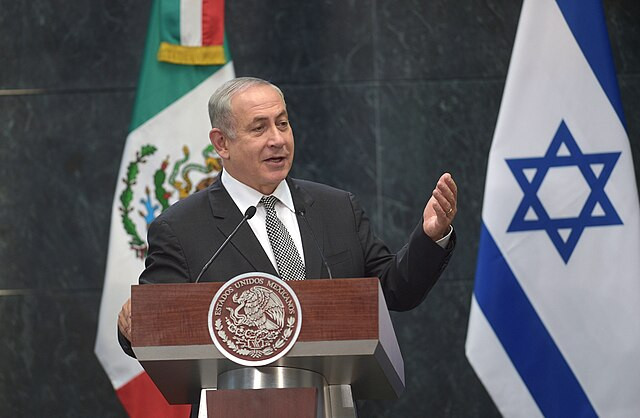
"I spoke this evening with President Trump and told him that if Hezbollah does not cease attacking our towns and our citizens, Israel will strike terrorist targets in Beirut," Netanyahu said in a statement released by his office.
The timing of the statement quickly attracted attention because it followed reports that Trump had pressed Netanyahu to avoid a major escalation in Lebanon. According to Axios, U.S. officials said the president was concerned that expanded Israeli operations could undermine efforts to stabilize the region and complicate ongoing diplomatic discussions involving Tehran.
Despite reports of tension behind closed doors, Trump adopted a markedly different tone in public. Posting on Truth Social, the president described the discussion as "very productive" and suggested progress had been made toward reducing hostilities.
Trump wrote that Israeli forces moving toward Beirut had turned back and indicated that both Israel and Hezbollah had agreed to halt attacks. "Let's see how long that lasts," Trump added, signaling cautious optimism about maintaining calm along the border.
The contrast between Trump's public comments and the reported private conversation has fueled speculation about the state of the U.S.-Israel relationship at a time when both governments are confronting overlapping security challenges across the Middle East.
For the White House, the stakes extend beyond Lebanon. Administration officials have spent weeks attempting to contain regional tensions while also pursuing negotiations connected to Iran. U.S. officials reportedly fear that a large-scale Israeli strike on Beirut could trigger a wider confrontation involving multiple actors across the region.
Energy markets have also been watching developments closely. Concerns about potential disruptions to regional stability and threats to critical shipping routes, including the Strait of Hormuz, have periodically pushed oil prices higher as traders assess geopolitical risks.
Netanyahu faces a different set of pressures. The Israeli leader has repeatedly argued that Hezbollah's attacks require a firm military response and has maintained that Israel reserves the right to strike targets linked to the Iran-backed group if threats persist.
As of June 2, Israeli military operations in southern Lebanon remained ongoing, and Hezbollah activity along the border continued. Although Israeli officials reportedly postponed immediate plans for strikes in Beirut following discussions with Washington, Netanyahu's statement made clear that such options remain on the table if attacks against Israeli communities continue.