Iran has rejected a U.S.-backed ceasefire proposal delivered through Iraqi Prime Minister Ali al-Zaidi, according to The New York Times, as President Donald Trump signaled he is nearing a decision on a possible large-scale military strike and warned Tehran it would be held responsible for future Houthi attacks on commercial shipping.
The reported rejection comes as diplomatic efforts have stalled and military tensions continue to rise across the Middle East. According to The New York Times, al-Zaidi conveyed the U.S. proposal to Tehran after visiting Washington earlier this month, but Iranian officials declined the offer because it did not address the future status of the Strait of Hormuz.
The report said Tehran was not interested in a "temporary deal" that failed to resolve the strategic waterway, which has become a central point of disagreement during the current conflict.
As diplomacy faltered, Trump suggested military action remained under active consideration. In an interview with Axios, the president said, "I am considering a massive attack. Bigger than ever before. I am close to making a decision. We are all set for it."
Trump also told Axios that Iran wants negotiations but has not "received enough pain yet," indicating the administration believes additional pressure may be necessary before meaningful talks can resume.
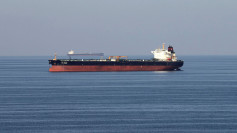
The president separately issued a warning after Yemen's Houthi movement claimed responsibility for attacks on two Saudi oil tankers in the Red Sea. In a social media post Thursday, Trump said the Houthis had previously "acted very responsibly" during the conflict but accused the group of reversing course after the latest attacks.
"A year ago the United States of America attacked, very powerfully, the Houthis, for their interference with commerce and trade, by shooting at ships. Since that time, and during our conflict with Iran, they have acted very responsibly. Unfortunately, now they are starting up again, shooting at two Saudi Arabian ships last night," Trump wrote.
He added, "Please let this TRUTH serve to represent that if they do this again, the U.S. will hold Iran responsible, in that the Houthis are a Surrogate and/or Proxy of Iran, and major military punishment will be inflicted upon Iran and, of course, the Houthis, themselves, who I am very disappointed with in that they have, until now, acted very professionally and smart."
CNBC reported that Saudi Arabia has been diverting millions of barrels of oil per day from the Strait of Hormuz to the Red Sea because of the war, while Houthi efforts to target those routes have added further pressure to global oil markets.
Reuters separately reported that Iran dispatched military personnel and equipment to Yemen on July 13 to support Houthi operations. Citing a source familiar with the matter, Reuters reported, "The IRGC commanders travelled there to support Houthi operations and provide training on new missile systems," adding that the flight also transported gold to finance the group's activities.