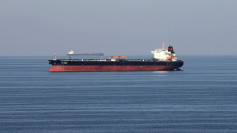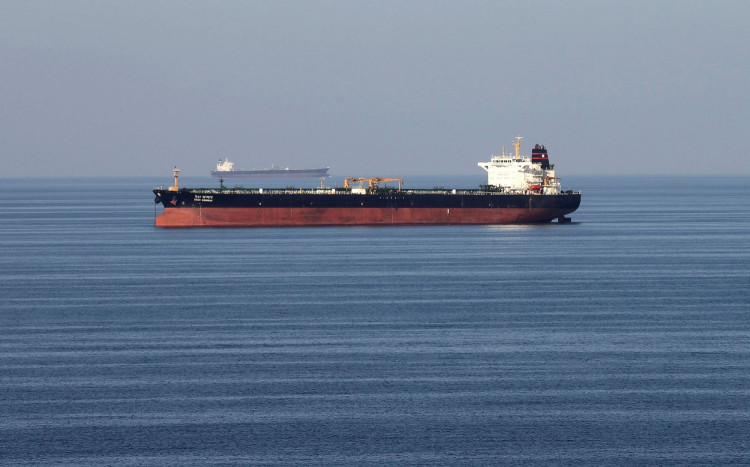
Oil prices rose sharply Thursday after Iran claimed seven tankers were damaged by attacks or naval mines in the Strait of Hormuz, threatening a shipping recovery that has lifted overall Persian Gulf exports above prewar levels.
Brent crude climbed 2.91% to $111.99 a barrel at 8:10 a.m. Eastern time, while West Texas Intermediate gained 2.46% to $99.54. The Iranian account had not been independently verified; if confirmed, it would represent the largest single-day number of vessels damaged in the waterway since fighting began February 28.
Iranian state television, citing the Revolutionary Guard's navy, said four tankers caught fire after being targeted while transferring oil. Three others struck mines and were left damaged and immobilized, according to the statement.
The report did not identify the vessels, their flags or any casualties. It also threatened attacks on U.S. bases in the region if Washington attempted to facilitate tanker passage through other sections of the strait.
The price increase came despite evidence that exporters and shipping companies have found ways to move more oil around the region's hazards. Those arrangements have restored aggregate volumes without returning Hormuz traffic itself to its previous level.
Flows through the strait and alternative regional routes averaged more than 24 million barrels a day during the week ended October 18, The Wall Street Journal reported, citing ship-tracking company Kpler. That compared with a prewar average of 23.3 million barrels.
Preliminary Kpler estimates put shipments through Hormuz, including offshore transfers in the Gulf of Oman, at about 14 million barrels daily, or 82% of prewar volumes.
Pipelines across Saudi Arabia and the United Arab Emirates account for part of the recovery. About 40% of non-Iranian crude exported from the Gulf bypassed Hormuz in September, compared with 17% before the conflict.
Shipping companies have also adopted arrangements in which tankers collect oil inside the Gulf, cross the strait and transfer their cargoes to other vessels near Oman. The receiving ships then carry those supplies to more distant markets.
American air cover provides some protection near the Omani coast, while tankers frequently disable their tracking signals during crossings. The arrangements have kept exports moving, although vessels remain exposed to attacks.
Iran's latest claims followed a warning from Revolutionary Guard spokesman Hossein Mohebbi that Tehran was prepared to broaden its military response.
"If a country attacks us, we will both respond and go on the offensive," Mohebbi said Wednesday, describing a shift from a defensive posture toward asymmetric operations.
Meanwhile, the Financial Times reported that Israeli forces had been ready to launch another round of strikes against Iran during the weekend of October 10. The proposed targets included nuclear infrastructure and energy facilities serving civilian purposes, according to people familiar with the matter.
The newspaper said President Donald Trump withheld approval because he did not want renewed fighting before the November 3 U.S. midterm elections. Israeli Prime Minister Benjamin Netanyahu subsequently called the report "incorrect."