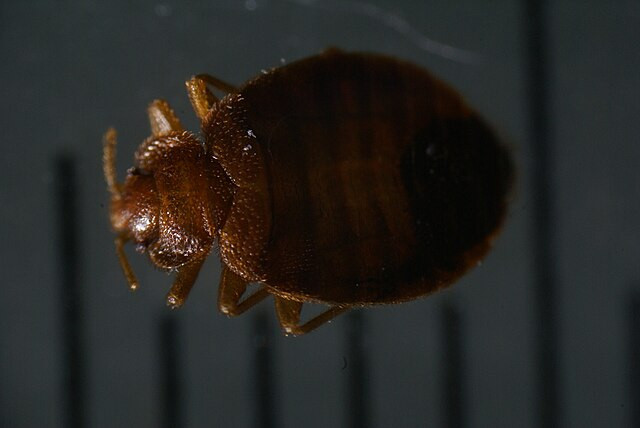
The U.S. Department of Agriculture's Animal and Plant Health Inspection Service, the federal agency responsible for protecting the nation from invasive pests and agricultural threats, is facing an unusual challenge inside its own headquarters complex: recurring bed bug infestations that employees say have forced them into a cycle of evacuations, fumigations and return-to-office orders.
The infestation at the George Washington Carver Center in Beltsville, Maryland, has become a growing source of frustration among workers at APHIS, according to employee accounts and internal communications reported by NOTUS. Staff members say bed bugs have repeatedly reappeared despite treatment efforts, while agency officials continue requiring employees to report to affected offices.
The situation has attracted attention not only because of workplace safety concerns but also because APHIS serves as one of the federal government's primary defenses against invasive species, agricultural pests, animal diseases and other biological threats. Employees say the irony of battling a persistent pest problem within an agency dedicated to pest control has not been lost on staff.
The problems began in mid-May when workers were informed that bed bugs had been discovered in Building 3 at the Carver Center. Officials temporarily evacuated employees and authorized remote work while extermination efforts were conducted.
Following fumigation, workers were permitted to return. However, according to employees, concerns quickly resurfaced when some staff reported lingering chemical odors and illness after reentering the building. Additional reports of bed bug activity emerged shortly afterward, prompting fresh complaints from workers who believed the infestation had not been fully resolved.
The Department of Agriculture confirmed that bed bugs were again observed in early June. Despite the renewed discovery, employees say management instructed staff to continue reporting to the office or use personal leave if they preferred not to enter the building.
That directive has intensified tensions between management and employees already navigating broader federal return-to-office requirements. Several workers expressed concern about carrying insects home on clothing, bags or other personal items. Others described heightened anxiety following repeated exposures.
One employee told NOTUS that coworkers were "disgusted" by the situation, while others became increasingly uneasy after feeling persistent itching or worrying that they had inadvertently transported the insects home.
USDA officials have defended their response. A department spokesperson said, "USDA took prompt and robust action several weeks ago," adding that APHIS leadership continues working with employees to clear workspaces so treatment efforts can proceed effectively.
The department also suggested that the recurrence may have been linked to workplace practices. According to the spokesperson, "insufficient compliance regarding personal items" may have contributed to the insects' return, arguing that belongings left behind during treatment complicated eradication efforts.
The agency has not directly addressed employee concerns regarding extended remote-work options following the latest infestation reports. That omission has become a central point of criticism among workers, some of whom say they are considering filing complaints with workplace safety regulators.