A proposed U.S.-Iran agreement aimed at ending months of conflict and launching a new round of nuclear negotiations is drawing attention not only for its diplomatic implications but also for a reported $300 billion investment vehicle that could channel private capital into Iran if a final accord is reached.
According to Reuters, the memorandum of understanding negotiated between Washington and Tehran includes plans for a private investment fund worth up to $300 billion, with more than half of the financing already pledged by companies and investors from the United States, Gulf states, and other regions.
The investment initiative is designed to support economic activity in Iran following the conflict and would operate separately from sanctions relief measures or the release of frozen Iranian assets. Reuters reported that the vehicle would be funded by private-sector participants rather than governments.
Sources familiar with the proposal told Reuters that the fund would support projects across several sectors, including:
- Energy
- Transportation
- Logistics
- Manufacturing
- Infrastructure reconstruction
Financing could take the form of direct investments, loans, credit facilities, or rebuilding efforts for sites damaged during the war.
The investment framework remains contingent on a final agreement being signed. A source cited by Reuters said the fund "only be created once the final deal is signed," adding that administrators would work alongside Iranian officials and investors during the negotiation period to "plan and scope projects."
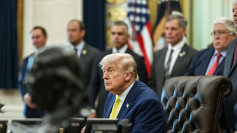
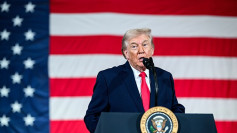
The proposed economic package comes as President Donald Trump continues to emphasize that the current agreement remains preliminary. Speaking alongside Egyptian President Abdel Fattah el-Sisi at the G7 summit in France, Trump warned that military action could resume if negotiations fail.
"I don't like it if they don't behave. We'll go right back to dropping bombs right smack in the middle of their head," Trump said. He also described the accord as "not final" ahead of an anticipated signing ceremony in Geneva on Friday.
While negotiators have focused on economic and nuclear issues, regional security concerns remain unresolved. One of the most contentious disputes involves Lebanon, where differing interpretations of the agreement have emerged among key parties.
Iranian Foreign Minister Abbas Araghchi argued that the ceasefire framework extends beyond Iran itself and includes military activity involving Hezbollah and Israel. "When we reached a ceasefire, we declared it across all fronts, with particular emphasis on Lebanon," Araghchi told reporters.
That interpretation has been rejected by Israel. Israeli officials have made clear that they do not view the agreement as requiring a withdrawal from territory seized during recent fighting in Lebanon.
Israeli Defense Minister Israel Katz reiterated that position after the agreement was announced, saying Israel would not withdraw from areas currently under its control. He also warned that any future Iranian-backed attacks would be met "with full force" and that Israel would continue pursuing its security objectives "despite all the existing pressures and those that will still come."