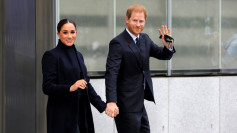
Prince Harry's long-running dispute over security arrangements in the United Kingdom has once again cast doubt over plans for a family visit that could reunite King Charles with Prince Archie and Princess Lilibet for the first time in several years, as reports suggest the monarch remains eager to see his grandchildren despite ongoing tensions within the Royal Family.
The uncertainty comes as King Charles continues undergoing treatment following his cancer diagnosis in 2024. According to royal commentator Kate Nicholl, the King's health has heightened concern within palace circles that another opportunity for a family reunion could be lost if disagreements over police protection remain unresolved.
The Sussex family had been expected to travel to Britain this month while Prince Harry undertakes a series of engagements connected to the Invictus Games Foundation and several charities. Reports have suggested the visit could also include private family meetings, including time with King Charles and a visit to Althorp Estate, where Harry's mother, Princess Diana, is buried.
According to Nicholl, palace officials had explored ways to facilitate the visit, including offering Harry, Meghan Markle and their children accommodation at a royal residence. Speaking about the proposal, Nicholl said there is a "real sense of frustration" within the palace because the King was informed of the plans and was "very happy" to host the family during their stay.
Such an arrangement would provide extensive security while the family remained on royal property. However, Harry has consistently argued that secure accommodation alone cannot address the broader risks associated with traveling throughout Britain for both public appearances and private engagements.
That position has been reiterated by Archewell, the charitable organization founded by Harry and Meghan. Earlier this week, the organization stated that the planned visit would involve "both public and private engagements across the country." It added that "safe accommodation is only one element" of an effective security strategy because "risk follows the person, not the place."
The dispute stems from changes implemented after Harry and Meghan stepped down as senior working members of the Royal Family in 2020 and relocated to California. Following their departure, the Duke lost automatic taxpayer-funded police protection while visiting Britain, with future security arrangements instead determined on a case-by-case basis by the Executive Committee for the Protection of Royalty and Public Figures, commonly known as RAVEC.
Harry has challenged those decisions through the courts for several years. In May 2025, the Court of Appeal unanimously rejected his latest legal challenge, ruling that RAVEC had acted lawfully in assessing his security requirements individually rather than restoring automatic protection.
Despite that legal setback, Harry has continued seeking further review of the process. According to Archewell, an Independent Risk Management Board that RAVEC determined was necessary last November has not yet convened. The organization argued that without such an assessment, it is difficult to justify the current level of protection offered during the Duke's visits.
The issue has taken on added emotional significance because Archie and Lilibet have not returned to the United Kingdom since attending Queen Elizabeth II's Platinum Jubilee celebrations in 2022. During that same period, King Charles has publicly disclosed his cancer diagnosis while continuing official duties under modified schedules, making potential family reunions increasingly meaningful.
Nicholl also noted that Harry's circumstances differ significantly from those of working royals. She observed that he is "a very wealthy man in his own right," and that his decision to step away from official royal duties fundamentally changed the framework governing taxpayer-funded security. That distinction remains central to the government's position as well as to the legal rulings issued so far.
Buckingham Palace has largely avoided public comment on the ongoing dispute, while government authorities traditionally decline to discuss individual security arrangements. Nevertheless, reports indicate there remains optimism within palace circles that an agreement could still be reached before Harry's scheduled engagements begin.
According to Harry's representatives, the Duke continues exploring "every available option" to ensure the visit can proceed safely while allowing his children the opportunity to spend time in Britain. Whether those efforts ultimately resolve the longstanding security dispute will determine not only the logistics of the Sussex family's visit but also whether another long-awaited reunion between King Charles and his youngest grandchildren can finally take place.