Iran threatened sweeping retaliation against U.S. interests and regional infrastructure after President Donald Trump warned that Iranian power plants and bridges could be targeted unless Tehran returns to negotiations. The exchange marked a sharp escalation beyond the recent fighting around the Strait of Hormuz, where U.S. forces have repeatedly struck Iranian military assets.
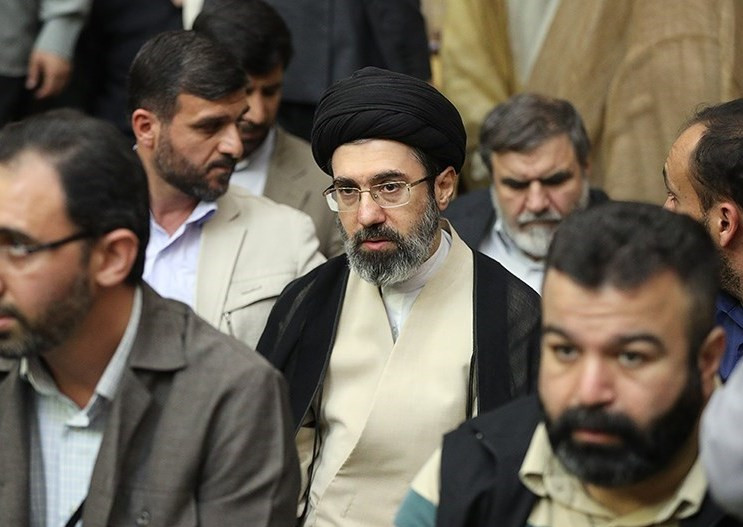
A spokesperson for Iran's top military command said Tehran would respond by destroying targets throughout the Middle East if Washington carried out attacks on Iran's civilian infrastructure. The warning suggested Iran could broaden its response beyond attacks on U.S. bases and military positions.
"Everything that is still intact," the spokesperson said, referring to "all the infrastructure in the region, will be crushed under the steel blows of the powerful armed forces of the Islamic Republic of Iran; so that no trace of them remains and it is as if they never existed in the first place."
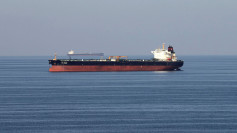
The Iranian military also rejected any expanded U.S. role in the Strait of Hormuz, the strategic waterway that has become the central battleground in the renewed conflict. "Under no circumstances and in no way will we allow America, as a foreign and extra-regional country, to interfere in the Strait of Hormuz," the spokesperson said, describing control of the strait as "Iran's invincible red line."
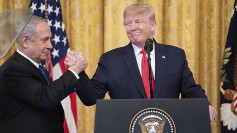
Trump issued his infrastructure threat during an interview with Fox News correspondent Trey Yingst, signaling that the current U.S. campaign could move from military targets toward facilities essential to Iran's economy and civilian life.
"Next week it gets really bad for them," Trump said. "Next week comes the power plants, next week comes the bridges. We're going to knock out all of their power plants. We'll knock out all of their bridges unless they get to the table and negotiate."
The warning appeared designed to increase pressure on Tehran after stalled diplomatic efforts and several rounds of reciprocal attacks. It also raised the stakes for regional governments hosting U.S. forces, which have already faced Iranian missile and drone fire during the latest escalation.
Axios reported that Trump convened a Situation Room meeting Tuesday to discuss an expanded offensive against Iran. Such an operation would go beyond the narrower strikes carried out around the Strait of Hormuz and could target infrastructure deeper inside the country.
The U.S. campaign so far has largely focused on military systems that Washington says Iran has used to threaten commercial shipping. Those targets have included:
- Air-defense and radar installations
- Anti-ship missile positions
- Drone launch sites and storage facilities
- Coastal surveillance systems
- Military command centers
U.S. officials have said the strikes are intended to weaken Iran's ability to attack vessels moving through the Strait of Hormuz. The waterway is a major route for global energy shipments and has been repeatedly disrupted by attacks, blockades and competing claims of control.
Iran has responded by launching attacks against U.S. bases and allied facilities in Jordan, Kuwait and Bahrain. Those strikes have increased concerns that a conflict initially concentrated around shipping lanes could spread across the Gulf and draw additional countries into direct military confrontation.
U.S. Central Command said its latest round of strikes took place Wednesday night. CENTCOM said the operation hit "command centers, air defense sites, missile and drone capabilities, and coastal surveillance facilities to further degrade Iran's ability to threaten innocent mariners crewing commercial vessels transiting the Strait of Hormuz."
"CENTCOM used precision munitions to hit targets in multiple locations including Bandar Abbas," the command added in its statement. Bandar Abbas is one of Iran's most important naval and commercial centers and sits near the northern entrance to the Strait of Hormuz.