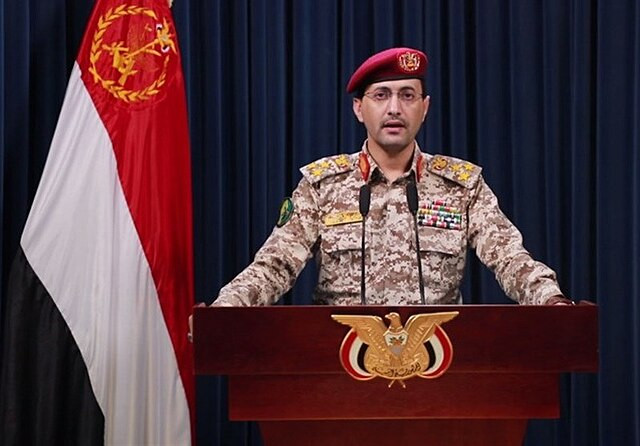
U.S. officials met secretly with representatives of Yemen's Iran-aligned Houthi movement in Oman over the weekend, according to Reuters, with the group telling Washington it intends to honor a ceasefire with the U.S. and won't target American or Israeli vessels even as it continues fighting Saudi Arabia.
The meeting took place at the U.S. Embassy in Muscat and was facilitated by the Omani government, five sources familiar with the talks told Reuters. The discussions came shortly after Houthi forces expanded their control along Yemen's Red Sea coast, including strategic territory near the Bab el-Mandeb shipping route.
The talks are notable because Washington designated the Houthis a foreign terrorist organization in March 2025. Despite that designation, the U.S. has continued indirect and direct negotiations with the group when maritime security or regional escalation has been at stake.
At the Oman meeting, Houthi representatives said they would abide by the ceasefire reached with Washington in May 2025 after a roughly two-month U.S. military campaign aimed at stopping attacks on Red Sea shipping, Reuters reported. The Houthis told U.S. officials they wouldn't target American or Israeli vessels but maintained that Saudi ships remained legitimate targets.
That distinction leaves one of the region's most dangerous fronts unresolved. Saudi Arabia and the Houthis have returned to open hostilities, with the Houthis stepping up attacks on Saudi cities and oil infrastructure as their forces push along Yemen's western coast.
The latest flashpoint came Wednesday, when Saudi Arabia said its air defenses destroyed a Houthi drone south of Mecca before it entered restricted airspace over Islam's holiest city. Riyadh described the alleged attack as a "red line," while Houthi officials denied targeting Mecca and accused Saudi Arabia of manufacturing the incident for propaganda purposes.
Saudi officials called the attempted strike a "deliberate act intended to provoke the feelings of millions of Muslims." Houthi representatives rejected the accusation, calling it a "worn-out lie that has been used before and no longer fools anyone."
The renewed Saudi-Houthi conflict is already affecting energy markets. Saudi crude loadings from the Red Sea port of Yanbu have been disrupted, while the kingdom's East-West pipeline has been shut after multiple attacks, forcing Riyadh to look for alternative ways to move oil.
That pipeline has become particularly important because it allows Saudi Arabia to move crude from eastern production fields toward the Red Sea while bypassing the Strait of Hormuz. Before the latest damage, it was carrying roughly 4 million to 5 million barrels a day, or about 4% to 5% of global oil supply.
Saudi Arabia has offered customers ship-to-ship transfers near Oman's Sohar port to keep some exports flowing while repairs continue. U.S. Energy Secretary Chris Wright has taken a relatively optimistic view of the outage, saying the disruption "will be a brief and temporary interruption" and will be "measured in days."
That estimate is more optimistic than some assessments cited by Reuters. Sources familiar with the damage have said full repairs could take as long as five to six weeks, though partial pumping might resume earlier if additional sections can be brought back online.
The Oman talks therefore unfolded against two linked pressures: Washington's effort to keep American shipping out of the Houthi conflict and Saudi Arabia's effort to contain attacks that are increasingly threatening its energy infrastructure.
President Donald Trump said last week that the Houthis had contacted his administration and indicated they wanted the U.S. to stay out of the fighting. He said the group was generally allowing maritime traffic through, except for vessels associated with one country he didn't identify at the time.
Saudi Crown Prince Mohammed bin Salman has separately sought U.S. military assistance against the Houthis, according to Reuters. Washington declined to launch direct strikes on Saudi Arabia's behalf but agreed to provide intelligence-sharing and targeting support.