Ukraine has resumed attacks on Russian oil infrastructure after President Volodymyr Zelenskyy said Moscow violated an energy ceasefire announced by President Donald Trump, deepening a dispute with Washington over fuel supplies, intelligence assistance and negotiations with the Kremlin.
Russian and Ukrainian officials confirmed Thursday that Ukrainian forces struck a refinery about 180 miles southeast of Moscow, The Associated Press reported. The attack followed what Zelenskyy described as three days of Ukrainian restraint while Russian strikes continued.
"The block is out. We're done," Zelenskyy told the Financial Times, declaring an end to the pause.
Zelenskyy said Russia had launched about 40 ballistic missiles during the week and continued hitting energy facilities despite the weekend announcement. Kremlin spokesperson Dmitry Peskov disputed Kyiv's account, claiming Ukraine had never stopped attacking Russian energy infrastructure.
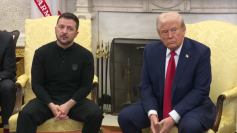
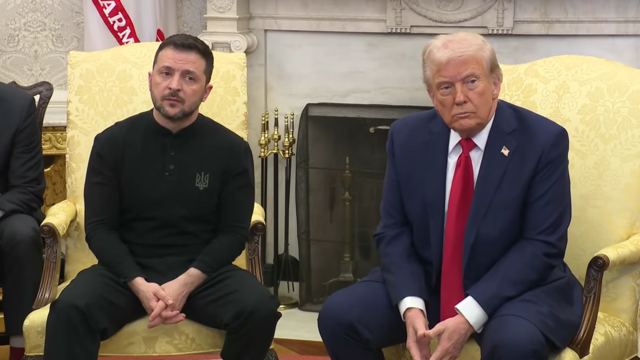
The disagreement over compliance has become intertwined with a broader deterioration in relations between Kyiv and Washington. Trump has pressed Ukraine to stop striking refineries and reached an agreement with Russian President Vladimir Putin to increase diesel supplies while easing sanctions on Russian fuel.
Zelenskyy argued that sanctions relief would give Moscow additional resources to sustain its invasion. Asked by British interviewer Piers Morgan on Wednesday whether he felt "betrayed by what was happening," the Ukrainian leader answered, "really, yes."
He nevertheless stressed that securing American support took precedence over his personal reaction. "Our country has to survive, and we count on our real partners, strategic partners, the United States and President Trump," Zelenskyy said.
Trump's criticism of Kyiv has sharpened alongside the diesel agreement. On Saturday, he called for Zelenskyy's replacement over his resistance to halting refinery attacks, blaming those operations for higher fuel prices. Energy experts have largely attributed the global price pressure to the U.S.-Iran conflict.
Zelenskyy also alleged that Ukraine had lost advance warnings of incoming Russian missiles during the pause. He said American military officials had previously threatened to stop intelligence-sharing if Kyiv continued attacking Russian energy targets.
The United States has denied making those threats, and Trump denied withholding intelligence Tuesday. "We are helping them, and we are sharing intel," he told reporters. "We want the war to end, so we're working with them and Russia on getting the war to end."
Separate complaints concerned restrictions on SpaceX satellite services used by Ukraine. Zelenskyy said limitations disrupted frontline operations and attacks on Russian military sites, rejecting the explanation that the problems were technical.
"It was not the technical problem. It was the will," he told the Financial Times. The available accounts do not independently establish who ordered any restrictions or their precise scope.
SpaceX chief Elon Musk denied responsibility for the slowdown, attributing control over restrictions to Washington. "Any limits on speed or usage are decided by the US military and ultimately POTUS," he said.
European allies have reaffirmed their backing for Kyiv following the U.S.-Russia fuel agreement. Polish Prime Minister Donald Tusk said Sunday that he had assured Zelenskyy he could "count on the full solidarity of Poland and Europe with the Ukrainian people."
Tusk has also warned that Russia could intensify hybrid attacks against Ukraine's European partners, extending pressure beyond the battlefield.