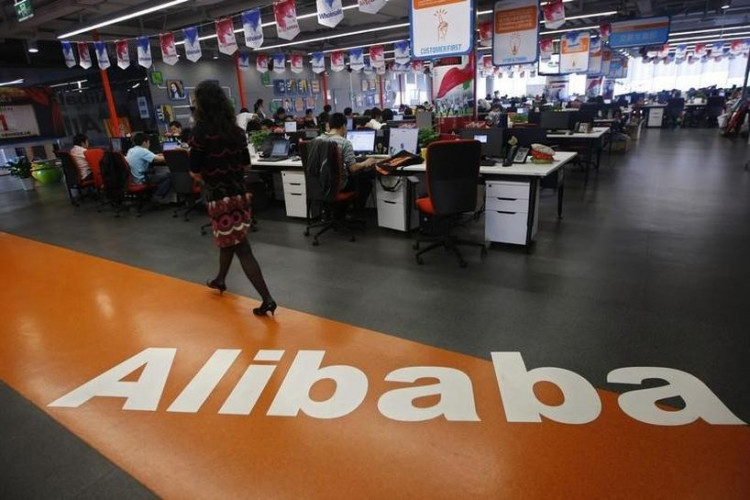
Alibaba Group vowed to challenge US trade restrictions on its Singapore subsidiary Apex Enterprise Solutions, rejecting chip-diversion allegations as Washington targets overseas networks that provide computing capacity to Chinese artificial intelligence companies.
Apex was among seven companies added to the Commerce Department's Entity List on Monday, The Wall Street Journal reported. The subsidiary secures computing capacity in Southeast Asia for Alibaba, placing part of the Chinese technology group's regional infrastructure network under tighter American controls.
"Adding Apex Enterprise Solutions to the Entity List is erroneous because Apex has never diverted advanced computing chips subject to US export restrictions. We will seek all legal avenues to protect our rights and reputation," Alibaba told the Global Times on Tuesday.
The designation requires government authorization for exports, reexports and transfers to Apex of items covered by US export regulations. License applications will face a presumption of denial, creating a substantial barrier to obtaining controlled American technology.
Commerce cited a significant risk that the seven companies were, or could become, involved in diverting advanced computing products to unauthorized users or prohibited uses. Its rule did not identify a specific violation by Apex, and the designation applies to the named entities rather than Alibaba's entire corporate group.
The restrictions bring renewed attention to Alibaba's financial relationship with Megaspeed International, a Singapore-based Nvidia customer also added to the blacklist.
Apex paid approximately $4.2 billion upfront to Megaspeed and other companies to rent Southeast Asian computing capacity, securing some assets as collateral, Reuters reported, citing a person familiar with the arrangement.
US authorities have investigated Megaspeed since 2024 over suspected semiconductor diversion to China. The company has denied wrongdoing and said its operations comply with American export restrictions.
Singapore Prime Minister Lawrence Wong confirmed Tuesday that a separate investigation into potential violations of Singaporean law remained underway. Speaking alongside Australian Prime Minister Anthony Albanese in Canberra, he distinguished that inquiry from enforcement of Washington's restrictions.
"We do not enforce America's export controls," Wong said. Singapore nevertheless assists American authorities with compliance checks intended to prevent companies from circumventing US restrictions through the city-state, he said.
Wong said Nvidia chips purchased by Megaspeed had never physically entered Singapore and instead were routed through other countries. Investigating overseas activities presented jurisdictional difficulties, he added, while US authorities had not supplied all the information Singapore requested.
Singaporean authorities also investigated former Megaspeed executive Alice Huang but released her after finding insufficient grounds for prosecution, Wong said.
The other newly listed companies include Malaysia-based MSFusion, PT Megaspeed International and Speedmatrix; Singapore-based Swiftdata; and Megaspeed (Thailand), according to the Commerce rule.
MSFusion previously denied equity links with Megaspeed and said its management and decision-making were independent, The Star reported. Megaspeed said on Nov. 12 that it had retained a US law firm to independently examine its export-control compliance practices.
Alibaba's threatened challenge follows a separate legal dispute over its inclusion on the Pentagon's list of companies allegedly supporting China's military. Reuters reported in October that a federal judge had blocked certain Pentagon restrictions. Alibaba has not specified what action it will pursue against the Commerce designation.