A federal judge accused the Trump administration of rushing criminal charges against two former FBI officials to influence the midterm elections, warning that bureau employees could fear prosecution driven by the president's political demands.
US Magistrate Judge Zia Faruqui's 48-page opinion, issued Tuesday, explained his Nov. 2 dismissal of charges against Nikki Floris and Bradley Benavides. Prosecutors had accused them of lying to Congress in 2023 about their knowledge of the FBI's handling of information concerning Hunter Biden's laptop.
"The takeaway for FBI staff is to be afraid," Faruqui wrote. "They are one tweet away from being prosecuted by their own government."
The judge found that prosecutors had not established probable cause that the former officials knowingly made materially false statements. His dismissal came one day before the midterm elections; it was not a verdict following a trial.
Faruqui said the government lacked an urgent reason to bring charges. There was no approaching statute-of-limitations deadline, imminent public safety threat, flight risk or immediate need to preserve evidence, according to the opinion.
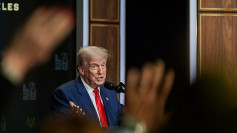
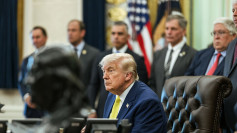
Instead, he attributed the haste to an effort "to appease President Trump in his campaign of retribution against the FBI and to score cheap political points to impact the midterm elections."
The Justice Department disputed the decision, saying it appeared to suggest that senior officials were immune from accountability for materially false congressional testimony. A department spokesperson said it was evaluating its options.
Faruqui traced the investigation's acceleration to Trump's July 16 national address calling for scrutiny of alleged misconduct by intelligence officials connected to the 2020 election. FBI Director Kash Patel assigned the investigation to the bureau's Kansas City office the following day.
An agent testified that FBI leadership closely monitored the inquiry, placing unusual pressure on investigators to bring charges. According to the account described in the opinion, investigators were prevented from interviewing Floris and Benavides.
The judge also identified factual inaccuracies in the criminal complaint, including descriptions of congressional testimony and the circumstances of witness interviews.
"The slapdash prosecution of Ms. Floris and Mr. Benavides in response to a public command from the President demonstrates a lack of independence and impartiality from the political desires of the Administration," Faruqui wrote.
Floris and Benavides had served in the FBI's Foreign Influence Task Force, which worked to counter foreign governments' attempts to interfere in American elections. Faruqui warned that prosecutions of this kind could undermine recruitment and retention of agents and intelligence analysts, with consequences for national security.
The opinion contrasted the case with administration officials' assurances when the charges were announced in October.
"As we've said repeatedly: weaponization will never be tolerated at this FBI," Patel said at the time. Attorney General Todd Blanche separately said: "The weaponization of government goes against the interest of the American people."
Faruqui said courts and grand juries remained responsible for checking abuses of federal prosecutorial power. "The rule of law is still a shield against it," he wrote.