South Korea's Ssangyong Motor Company Ltd said it gave the green light for the use of a $33 million special fund provided by its largest stakeholder to help alleviate liquidity issues in the midst of falling demand caused by the coronavirus pandemic.
In a statement, Ssangyong Motor disclosed its top management approved the use of the fund during a meeting Friday, and that the vehicle maker would use it to address imminent liquidity problems and mitigate market worries.
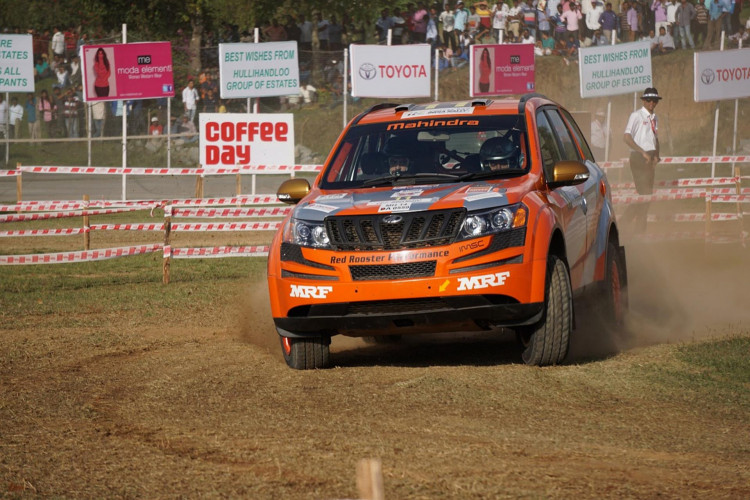
A $423 million investment program was canceled last week by Mahindra and Mahindra Ltd in their troubled South Korean division as carmakers set aside money to ride out the global turmoil.
The Indian car manufacturer disclosed it would look into releasing a special one-time funding in the next three months to help SsangYong to continue operating while the company seeks for other sources of cash.
The emergency fund will clearly demonstrate that Mahindra is committed to SsangYong and ease market concerns that Mahindra may abandon South Korea, Mahindra Managing Director Pawan Goenka said, pointing out that the special fund will be given to SsangYong this month.
SsangYong also disclosed on Tuesday that it had finalized a deal to sell its Busan Logistics center. It clarified that the sale is valued around 20 billion won, and that the payment will be funneled to SsangYong to secure more liquidity within this month.
The Korean automaker projected around 500 billion won would be required to normalize its management over the next three years. It is undertaking self-bail efforts in anticipation of the Korea Development Bank's funding and support from Mahindra.
The company has already suspended some health benefits for workers in September last year as part of its own rescue measures, and slashed some of its salaries and bonuses through December.
In the bankruptcy proceedings in March 2011, as part of its globalisation policy, Mahindra acquired a 70 percent interest in the carmaker for 523 billion won.
After two rounds of rights issues worth 130 billion won since 2013, Mahindra currently owns a 75 percent interest in SsangYong Motor.
SsangYong, which until last year was in the red for 12 consecutive years, has 70 billion won KDB bonds that are set to mature in July. If the company fails to redeem or extend the debt, it would likely end up bankrupt.
SsangYong Motor stressed that, given the deteriorating market situation due to the spread of the novel coronavirus, the company saw a recovery in March based on various sales promotions, and will make an effort to increase sales by improving the marketability of its flagship models.