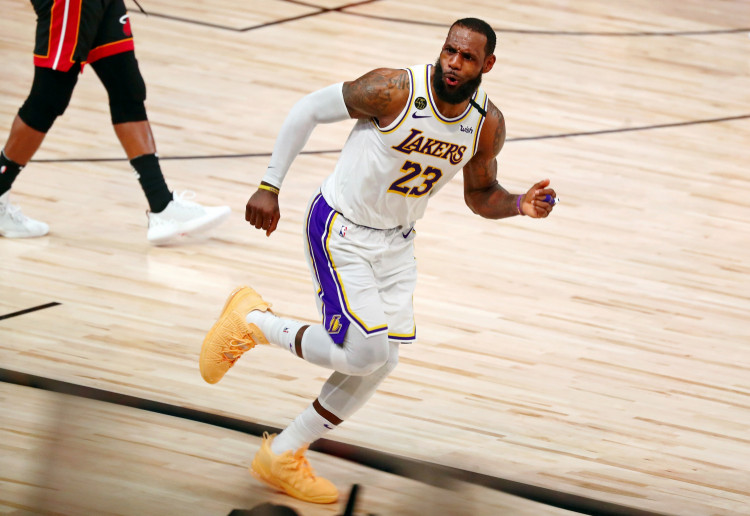
LeBron James' future in the NBA has become a central storyline as the Los Angeles Lakers navigate the midpoint of the season, balancing their pursuit of a playoff run against questions surrounding the longevity of their 40-year-old star. Reports from Sports Illustrated indicate that James has privately acknowledged he is nearing the end of his career, intensifying scrutiny over how and when he intends to conclude a 23-season run that reshaped modern basketball. His November return from a sciatica issue added urgency to the Lakers' internal discussions about how to manage his minutes while maintaining competitiveness.
James continues to position durability as a personal standard, telling ESPN's Dave McMenamin that availability defines his leadership and that staying prepared throughout the season remains integral to his approach. The comments underscored the delicate balance between competing for a deep postseason push and preserving a veteran player who remains central to the franchise's ambitions.
The broader conversation shifted again after Chris Paul formally launched a retirement tour, creating a public model for how elite players might manage the final chapter of their careers. According to McMenamin's reporting, Paul's decision influenced the framework through which insiders now assess James' situation. Both players entered the league in the same era and share a close relationship, making Paul's farewell season a natural comparison for observers assessing whether James intends to stage something similar.
Reports note that if James planned to retire at season's end, he likely would have announced it already. The absence of such a statement has fueled speculation about whether he wants a public farewell or prefers to avoid the extended attention. Paul's approach has given fans and analysts a reference point for what a high-profile departure could look like, putting new pressure on the Lakers as they prepare for roster and branding implications in the post-James era.
Coverage from Sporting News highlighted that the Lakers have been recalibrating long-term strategies accordingly. The team's acquisition of Luka Doncic in February signaled an organisational shift, positioning him as the franchise's future centerpiece. While James remains essential to the Lakers' immediate goals, the front office is increasingly planning beyond his tenure, weighing contract structures, developmental timelines, and game-load strategies as they confront the looming transition.
Insiders maintain that James has not reached a final decision on retirement and continues to evaluate his options. Individuals close to him emphasize that he is weighing timing, health considerations, and the broader implications for his family and legacy. The Lakers, meanwhile, must navigate dual priorities: maximizing their competitive prospects this season while preparing structurally for the eventual shift to a Doncic-led identity.
Paul's retirement tour has also added a commercial dimension to the discussion. His season-long farewell generated heightened ticket demand, national broadcast interest, and endorsements linked to celebratory programming. Teams around the league have noted the financial and branding advantages of such a structured exit. For the Lakers, the prospect of James adopting a similar path could affect scheduling, marketing strategies, and the overall narrative arc of the organization.
James has continued to downplay speculation publicly, maintaining his emphasis on consistency and health. His focus remains on contributing at a high level, and the Lakers intend to manage his workload strategically as the season progresses. With Doncic now central to long-range planning, the team is attempting to strike a balance between honoring James' ongoing contributions and preparing for the era that will follow.