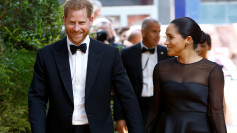
Prince Harry is emerging as an influential adviser to Sarah Ferguson as she weighs whether to accept lucrative U.S. broadcast offers for a tell-all interview that could reopen decades of royal controversy, according to people familiar with the discussions. Several networks are circulating seven-figure proposals, and producers believe Harry's behind-the-scenes involvement could shape both the tone and the commercial value of the prospective program.
Insiders say Harry has positioned himself as a discreet but central figure as Ferguson considers an Oprah Winfrey-style special. Producers view his experience navigating high-pressure interviews-including his own tense 2021 conversation with Ms. Winfrey and the narrative control asserted in his memoir Spare-as an asset. One source said Ferguson values his candor and trusts him because "he knows how overwhelming these interviews can be and wants her to stay in control."
Ferguson has twice sat for interviews with Ms. Winfrey, in 1996 and 2011, following her divorce from Andrew Windsor. People involved in the current talks say Harry's role would be advisory rather than confrontational. Executives believe his endorsement could sway Ferguson's final decision and signal to U.S. audiences that the interview carries broader relevance. As one insider put it, "If he signals that it's worthwhile, everything changes."
Broadcasters are motivated not only by Ferguson's long association with the monarchy but also by her recent financial uncertainty. Industry sources say her interest intensified after reports that her children's book release was cancelled and amid speculation she may be required to leave Royal Lodge, where she has lived with Andrew for years. These pressures, executives believe, make her more receptive to a high-paying media opportunity.
The prospect of an unfiltered broadcast is generating anxiety inside the palace. Officials familiar with the royal household say aides worry about Ferguson's reputation for candid, sometimes unpredictable remarks. Ailsa Anderson, who served as Queen Elizabeth II's press secretary, reportedly warned that a tell-all from Ferguson would mean "doom and gloom" for the royal family. One long-time insider said the concern is less about accuracy than tone: "Once she starts, there's no clear off switch."
Particularly sensitive, sources say, is Ferguson's past association with Jeffrey Epstein, including an email in which she called him a "supreme friend." Ferguson is said to be eager to explain the remark and assert that she "knew nothing" about Epstein's criminal activity, a point she sees as central to clearing her name. Strategists caution that even carefully framed denials risk reigniting scrutiny of both her and Andrew.
Harry's advisory role, according to people involved, centers on helping Ferguson maintain composure and avoid missteps rather than constructing explosive revelations. Producers view him as a protective presence rather than an attack strategist. One production source said, "From a production standpoint, Harry is the closest thing to a stabiliser."
Andrew Windsor, by contrast, is expected to remain publicly silent if the interview proceeds. His refusal to address Epstein-related questions has long frustrated observers, and insiders believe his continued silence would heighten the tension surrounding Ferguson's appearance. One media strategist said the dynamic is unavoidable: "Her story and his silence don't exist in isolation."
Ferguson's advisers acknowledge the stakes are high. Sources close to her describe her as "bruised like never before" and view the interview as a chance either to reframe her past or to cement existing narratives. Despite the financial incentive, they warn that even minor miscalculations could overshadow any attempt to generate sympathy or reassert credibility.