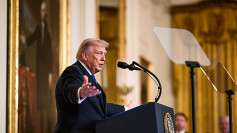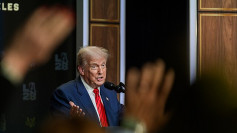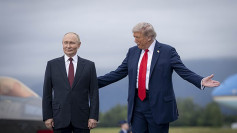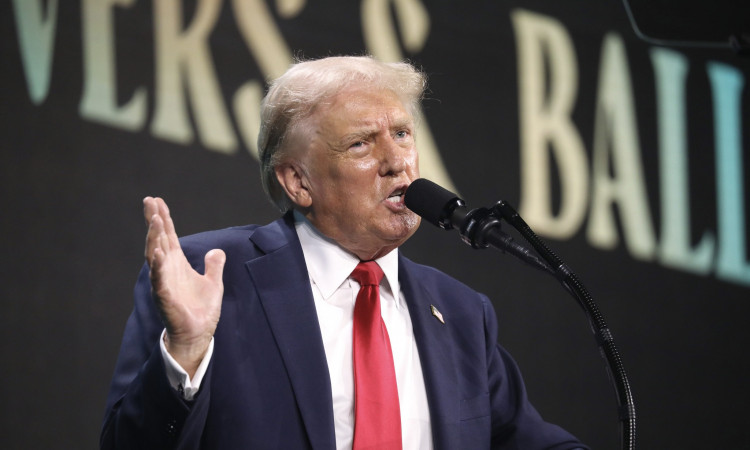
A White House roundtable meant to spotlight a $12 billion farm aid package instead reignited questions about President Donald Trump's health, after his visibly yellow complexion and bandaged hand dominated online commentary. The event, held with Treasury Secretary Scott Bessent, Agriculture Secretary Brooke Rollins and farmers from across the country, was designed to reassure a sector struggling under trade disruptions and rising costs. Instead, social media seized on the president's appearance, with one user on X writing that "he is literally Homer Simpson yellow."
Professional photographs released later showed a far less exaggerated tone, suggesting harsh lighting rather than a medical concern. But the moment added to growing scrutiny over the 79-year-old president's physical condition. The White House has repeatedly fielded questions about Trump's health after weeks of public appearances where he wore bandages on his hand. Aides have attributed the marks to a benign condition, frequent handshaking and an aspirin regimen.
The health speculation has become an unwelcome backdrop to Trump's economic messaging. For a president who prioritizes projecting strength, recurring questions about bruising or complexion risk distracting from policy announcements - including the major agricultural aid package he introduced at the roundtable.
Trump said the new funding is intended to counter the consequences of "market disruptions" tied to inflation, trade conflicts and shifting global demand. According to the announcement, more than $11 billion will go to the Department of Agriculture's Farmer Bridge Assistance program, providing one-time payments for row-crop producers. Additional funds will support farmers outside that category, with the administration saying the liquidity will help them market this year's harvest and prepare for next season.
The political stakes are high. Rural voters have long been a cornerstone of Trump's coalition, yet economic pressures are mounting. Trade volatility, shifting tariffs and heightened immigration enforcement have placed strain on an industry heavily dependent on migrant labor. Though Trump continues to dismiss affordability concerns as a Democratic "hoax," the discontent is measurable.
Recent polling underscores that shift. Research from Steve Corbin at the University of Northern Iowa noted a drop in the president's rural support, despite remaining net-positive. ActiVote data showed Trump's net approval among rural Americans fell from +22 points in August to +14 in September, an eight-point decline in one month. A University of Illinois review earlier in the term found 54% of surveyed farmers disapproved of his tariff strategy.
As beef prices surge - driven by drought and parasite outbreaks in Mexico - Trump has urged the Department of Justice to investigate foreign-owned meat packers, accusing them of artificially inflating costs without presenting evidence. He also announced an October agreement with Argentina that critics argue could undercut U.S. ranchers, complicating his efforts to regain trust among producers the new aid is designed to support.