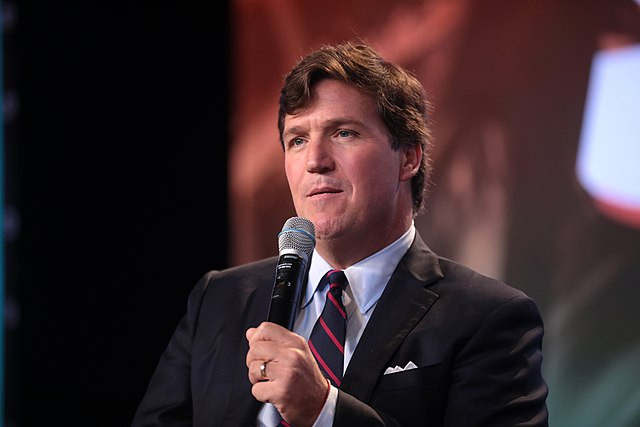
A rare rupture has opened inside conservative media and political circles after Tucker Carlson publicly rebuked President Donald Trump over the fatal shooting of Alex Pretti in Minneapolis, framing the incident as a warning sign of unchecked federal authority. Carlson's criticism, unusual given his past alignment with Trump, has intensified scrutiny of the administration's law-enforcement posture and widened an internal debate over civil liberties.
Pretti, who was legally carrying a concealed firearm, was shot during a federal operation involving Border Patrol agents. The killing set off protests across Minneapolis and forced state leaders to respond to rapidly escalating tensions. Carlson used his platform to argue that the circumstances raised fundamental questions about due process, the Second Amendment and the expanding reach of federal enforcement into routine policing.
The aftermath in Minneapolis underscored the political volatility. Governor Tim Walz deployed the National Guard to stabilize the city as demonstrations spread. Images of soldiers engaging peacefully with protesters circulated widely, becoming symbolic of the uneasy balance between authority and restraint at a moment of public anger.
Carlson's critique went beyond the administration to challenge fellow conservatives who defended the shooting. He argued that support for gun rights had appeared conditional, with some voices suggesting that lawful concealed carry could justify lethal force by authorities. That argument, he said, hollowed out long-standing Second Amendment principles and replaced them with partisan loyalty.
The backlash soon expanded. Marjorie Taylor Greene, once among Trump's most reliable allies, echoed concerns about the use of federal agents in domestic incidents. She drew a sharp line between lawful possession of a firearm and threatening behavior, warning that normalizing lethal enforcement against citizens could boomerang against any political movement.
Public opinion data suggests the controversy is eroding confidence in federal agencies central to immigration and border enforcement. Approval ratings for Immigration and Customs Enforcement and the Department of Homeland Security have fallen amid criticism that operations are increasingly militarized and insufficiently accountable.
Within conservative media, the episode has triggered a broader reassessment of power and loyalty. Carlson framed the dispute as less about personalities than about institutional incentives, arguing that citizens are often pushed into fighting one another while decision-makers remain insulated from consequences.
The Pretti case has thus become a flashpoint in a larger national argument over federal authority, civil liberties and the limits of enforcement. With prominent figures on the right openly dissenting, the administration now faces pressure not only from critics on the left but from within its own ideological coalition, a development that could reshape the political calculus surrounding law enforcement policy in the months ahead.