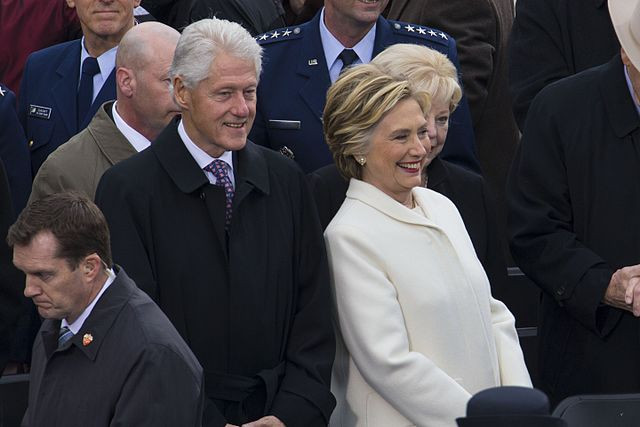
Bill Clinton and Hillary Clinton have agreed to testify before a Republican-led House inquiry examining matters connected to Jeffrey Epstein, a development that marks a procedural turning point in a long-running congressional investigation. The decision, confirmed by a spokesman for Bill Clinton, comes after weeks of tense negotiations with the House Oversight Committee, which had warned it could move toward criminal contempt if the former president and former secretary of state declined to cooperate.
The agreement places both Clintons-two of the most prominent figures in modern U.S. politics-squarely within the inquiry's formal process. Lawmakers are now weighing how the testimony will be conducted, what materials may be released afterward, and whether additional witnesses or documents will be sought as the investigation continues.
The committee's inquiry centers on Epstein's political and social associations and on how past investigations and prosecutions were handled. While the panel has not accused Hillary Clinton or her husband of criminal wrongdoing, members have argued that testimony from senior political figures is necessary to establish a complete factual record. Committee leaders have repeatedly stressed that the effort is an exercise of congressional oversight, not a reopening of closed criminal cases.
Disagreement over the format of the Clintons' cooperation sharpened the standoff. According to reporting by The Guardian, the couple's legal team had proposed a transcribed interview for Bill Clinton and a sworn written declaration from Hillary Clinton. The committee rejected that arrangement, saying it did not meet its investigative needs and moving closer to advancing contempt proceedings.
Republican chairman James Comer has argued that live testimony-whether public or private-allows members to question witnesses fully and follow up in real time. Under congressional rules, testimony given under oath carries legal obligations similar to those in court, though witnesses may invoke constitutional protections where applicable.
Once the Clintons appear, the committee will decide whether to release transcripts in full or in part. Lawmakers may also request additional documents or schedule follow-up questioning if they determine that key issues remain unresolved. Such steps are common in House oversight investigations and often shape whether an inquiry expands or narrows.
The panel retains several procedural tools if cooperation is deemed insufficient. These include issuing additional subpoenas, recommending contempt of Congress charges, or referring findings to other congressional committees or federal agencies. Any criminal prosecution, however, would fall outside Congress's authority and rest with the Justice Department.
So far, committee leaders have declined to outline specific next steps beyond securing testimony, emphasizing that the investigation remains ongoing. By agreeing to testify, the Clintons have removed a major procedural obstacle, setting the stage for a new phase in an inquiry that continues to draw national attention over its scope, methods and potential implications.