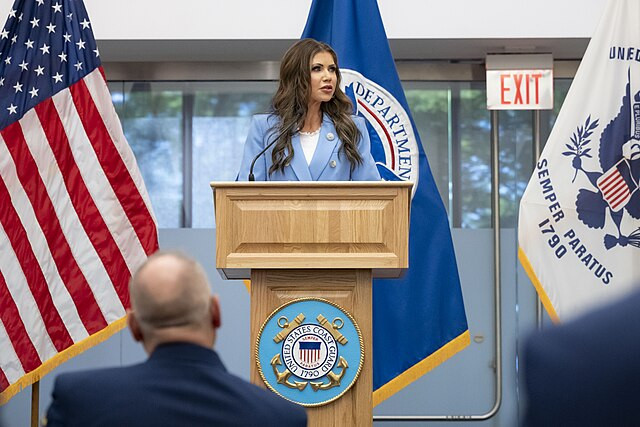
Homeland Security Secretary Kristi Noem faced pointed scrutiny at a House hearing on Dec. 11 after a statement she made under oath about deported veterans was immediately challenged by the appearance of a Purple Heart recipient who said he was forced to leave the United States.
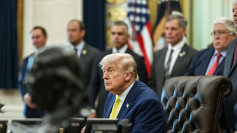
The exchange occurred during the House Committee on Homeland Security's annual "Worldwide Threats to the Homeland" hearing. Asked by Rep. Seth Magaziner whether the Department of Homeland Security had deported U.S. military veterans, Noem replied, "Sir, we have not deported U.S. citizens or military veterans."
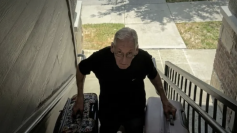
Moments later, Magaziner introduced Sae Joon Park via live video. Park, a U.S. Army veteran who received a Purple Heart after being shot twice during service in Panama in 1989, said he was compelled to leave the country earlier this year. Park told lawmakers he was ordered to "self-deport" under threat of arrest and detention.
Noem, confronted with the contradiction, told the committee she would "review the case," while defending the department's enforcement of existing immigration law. The exchange quickly overshadowed other testimony at the hearing, which included senior intelligence and law-enforcement officials.
Park's case has been documented by legal clinics and lawmakers for months. The University of Hawaiʻi's Refugee & Immigration Law Clinic has detailed his history, including decades-old drug convictions linked by advocates to post-traumatic stress disorder, a removal order that was later deferred, and the revocation of protections following a change in administration.
Earlier this year, Sens. Mazie Hirono and Richard Blumenthal wrote to Noem seeking answers. In their letter, they described Park's removal as "deeply troubling" and questioned why a wounded combat veteran who had lived in the U.S. for nearly 50 years was forced to leave.
Under U.S. immigration law, lawful permanent residents can face removal for certain criminal convictions, even if those offenses occurred decades earlier. Critics argue that current enforcement priorities have increasingly swept in nonviolent cases involving veterans with service-related mental health conditions.
The committee exchange has intensified that debate. While perjury requires willful falsification of a material fact, a legal threshold not established by the hearing alone, the moment carried significant political weight. Noem's categorical statement was contradicted in real time by a veteran whose case has been cited in formal congressional correspondence and supported by legal records.
Republicans on the committee emphasized DHS's obligation to enforce statutes as written, while Democrats framed the incident as evidence of a broader policy failure affecting immigrant veterans. Veterans' advocates say the episode underscores the need for clearer guidance and discretionary review in cases involving military service.