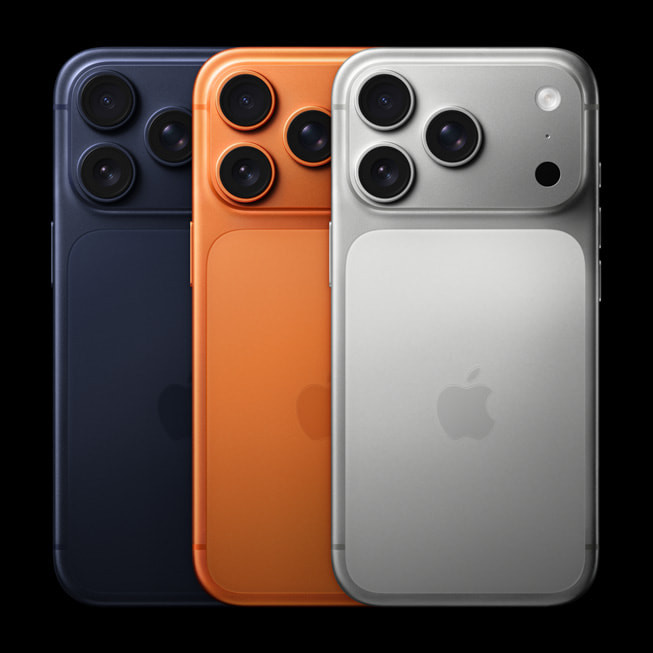
Apple is laying the groundwork for its most aggressive and complex iPhone roadmap in years, with internal plans pointing to as many as seven iPhone models in active development and a sweeping design overhaul timed to coincide with the device's 20th anniversary in 2027, according to reporting by The Information. The strategy signals Apple's intent to break out of a period of largely incremental upgrades and reassert design leadership in its most important product line.
At the center of the plans is a so-called anniversary iPhone, informally referred to by industry watchers as the iPhone 20, which The Information says is being developed as a fundamentally different device rather than a routine iteration. The model is expected to feature a seamless, all-screen design with no visible bezels, cutouts or notches, representing Apple's most dramatic visual change since the introduction of the iPhone X in 2017.
According to the report, the device would use curved glass not only on the front and back but wrapping around all four edges, creating a continuous edge-to-edge appearance. Apple is also said to be exploring a new structural approach that replaces the current titanium frame with a narrow metal band running around the middle of the handset, further minimizing visual interruptions.
Internal work has also focused on eliminating physical buttons. A patent surfaced in October describing a button-free design in which the power, volume and Action buttons are replaced by solid-state controls embedded in the frame. Such a shift would align with Apple's longer-term push toward reducing mechanical components, though it would require significant changes in user interaction.
A key technological hurdle remains the front-facing camera and sensors. The iPhone 20 is expected to house both beneath the display, removing the Dynamic Island entirely. Under-display camera systems have so far struggled with image quality, leading some manufacturers to retreat from the technology. Apple, however, is reportedly planning under-display cameras for multiple future devices, suggesting internal confidence that those limitations can be overcome.
Beyond the anniversary model, Apple's broader pipeline reflects a sharp increase in product segmentation. The Information reports the company is developing:
- iPhone 17e and iPhone 18e entry models
- Standard iPhone 18
- iPhone 18 Pro and Pro Max
- A second-generation iPhone Air
- A foldable iPhone
- The anniversary iPhone 20
Some of the nearer-term devices are expected to receive modest updates. The iPhone 17e is described as an incremental improvement over the iPhone 16e, potentially adding magnetic wireless charging. The iPhone 18e remains less defined, underscoring Apple's experimentation at the lower end of its lineup.
More disruptive changes may come to Apple's release schedule. The base iPhone 18 could debut in the spring rather than alongside Pro models in the fall, breaking with Apple's long-standing September launch cadence. To manage costs, Apple is also considering simplifying certain hardware features on non-Pro models, including scaling back elements of the Camera Control button.
At the premium end, the iPhone 18 Pro and Pro Max are expected to arrive in autumn 2026 with under-display Face ID. That timeline contrasts with earlier Bloomberg reporting suggesting Apple would shrink the Dynamic Island gradually rather than remove it outright, highlighting ongoing internal debate over execution.