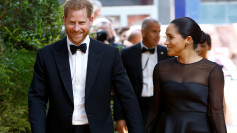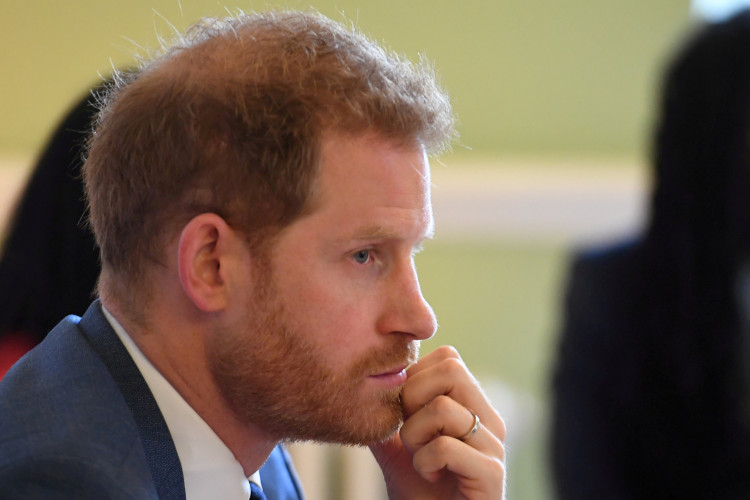
Prince Harry returned to the United Kingdom this week for another round of litigation against the British press, a visit that again unfolded without any public meeting with his family and underscored the entrenched distance between the Duke of Sussex and the House of Windsor. The timing has drawn renewed scrutiny as King Charles III and senior royals coordinated engagements hundreds of miles away, leaving little doubt about the state of relations.
Harry is in London attending hearings tied to claims of unlawful information gathering by Associated Newspapers, the publisher of the Daily Mail. The case includes several high-profile claimants, among them Elton John, and represents one strand of a broader legal strategy the duke has pursued since stepping back from royal duties in 2020.
Royal editor Russell Myers of The Mirror framed the moment as part of a familiar pattern. "Prince Harry being on home soil and not having time to visit his family is a familiar tale," Myers wrote, noting that the absence was especially conspicuous given the royal family's deliberate geography this week.
According to Myers, the lack of contact goes beyond calendar congestion. He wrote that Harry has "no provision in his busy schedule to arrange to see his father or his brother," a remark that points to priorities during his UK visits that remain firmly centered on legal matters rather than reconciliation.
The court action itself alleges privacy violations stemming from past reporting practices. For Harry, the case is emblematic of a long-running campaign against the British tabloid press, alongside a separate effort to secure state-funded security when in the UK. Together, those initiatives have defined much of his engagement with Britain since relocating to California.
But Myers suggested that the legal focus may be incompatible with repairing family ties. "Harry's calls for reconciliation with his family will unfortunately for him go unanswered while he continues to be engaged in such matters," he wrote, arguing that ongoing litigation against institutions tied-directly or indirectly-to royal life hardens attitudes on both sides.
The assessment culminated in a blunt prescription. "If Harry does indeed want to reconnect with his loved ones, then frankly speaking, it's not rocket science - he must drop the litigation and repair the damage from leaving the Firm," Myers wrote, distilling a view shared by several royal commentators that actions, not statements, would need to change.
This week's choreography appeared intentional. While Harry attended court in London, the king, queen, Prince William and Catherine, Princess of Wales were scheduled in Scotland, roughly 500 miles away. The separation avoided any overlap that could suggest rapprochement or endorsement.
Since leaving official duties, Harry has repeatedly said family relationships remain important to him. Yet the accumulation of lawsuits, memoir revelations and interviews has strained trust. The family's apparent preference to keep physical distance during his visits signals that reconciliation, if it is to occur, will require a recalibration of approach.